

Tennessee Elderberry
Tennessee Elderberry
Couldn't load pickup availability
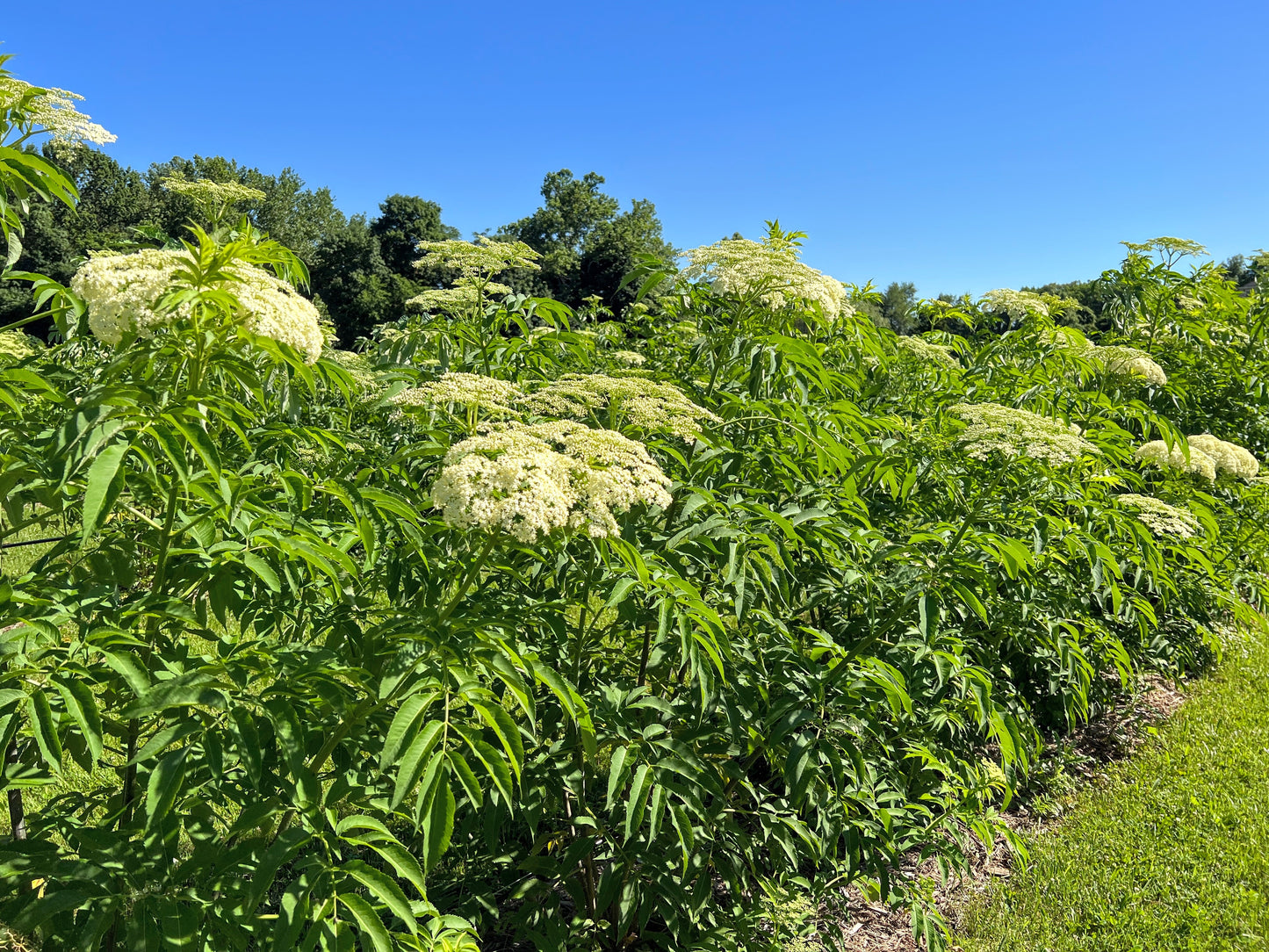
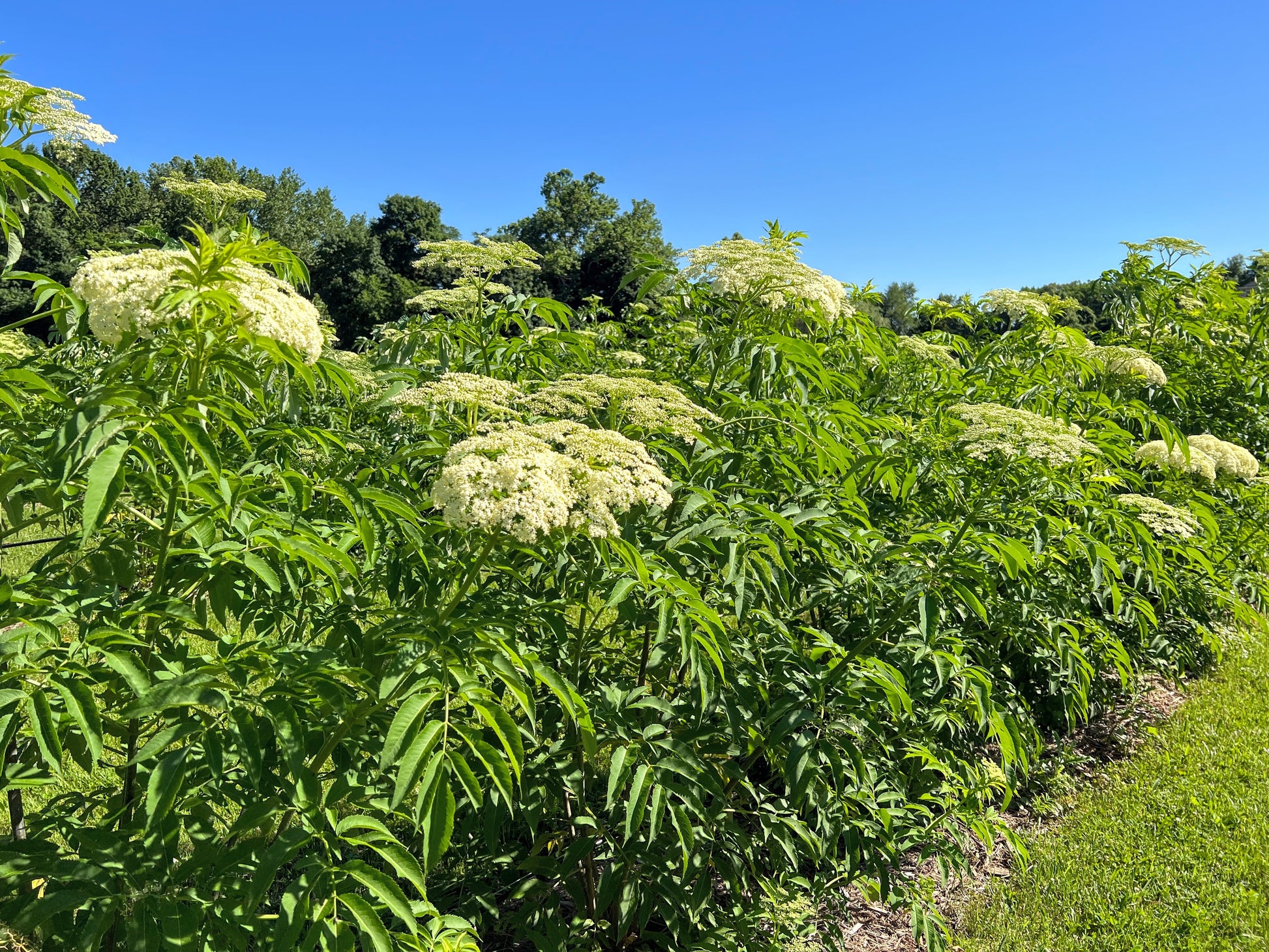
Tennessee Elderberry is a new cultivar of the native American elderberry (Sambucus canadensis). Selected and propagated by the folks at Philipps Elderberry Farm, this elderberry thrives in the Southeast and Mid-Atlantic. It's ideal for southern homesteaders, herbalists, and gardeners who want a productive, low-fuss perennial.
SHIPPING INFO: Elderberry cuttings begin shipping in February and will ship throughout the spring. Store in the refrigerator until planting.
Why Choose Tennessee Elderberry?
Heavy Berry Production: This strain has been cultivated for exceptionally large flower clusters (blooms/umbels) and heavy, abundant berry production, leading to high yields.
Native & Adaptable: This variety originated from standout wild elderberry plants found by farmers traveling through Tennessee. As a native North American elderberry, it’s well suited to regional conditions and handles heat, humidity, and variable soils better than many varieties.
Cultivar Pairing: Elderberry yields increase with cross-pollination. Tennessee has been shown to produce exceptionally well when grown alongside with Adams Elderberry (a classic 1926 New York selection known for large, sweet berries and early ripening).
Medicinal and Nutritional Benefits: Elderberries are rich in anthocyanins, flavonoids, vitamin C, vitamin A, and immune supporting antioxidants. One of our favorite backyard superfoods, elderberries have long been used in herbal traditions to support respiratory health, strengthen the immune system, and provide seasonal wellness benefits. Grown at home, elderberries can be used in medicinal syrups, tinctures, teas, and homemade remedies, providing both nutrition and traditional wellness support.
Growing Information
🌱 Plant Type: Perennial fruiting shrub
🌱 Hardiness Zones: 4–9 (selected to grow well in the southeast)
🌱 When to Plant: Spring or fall
🌱 When to Harvest: Mid to late summer
Cultivation Tips:
- Soil requirements: Prefers moist, well-drained soil, but is adaptable to a wide range of soil types, including heavier soils. Performs especially well in low or slightly damp areas.
- Sunlight: Full sun to partial shade. Full sun encourages the best flowering and berry production.
- Watering: Water regularly during establishment. Once established, elderberries tolerate short dry periods but produce best with consistent moisture.
- Harvesting: Harvest berry clusters once they turn fully dark purple and glossy. Berries should be cooked before consumption—raw elderberries are not recommended.
- Pruning: Elderberries fruit best on new wood. Prune in late winter or early spring to remove old canes and encourage fresh, productive growth.
Non-GMO Commitment: At Growing Farmers and The Farm on Central, all our plants are guaranteed non-GMO and not genetically modified in any way, upholding natural breeding methods and promoting sustainable gardening and farming practices.
Supplier information: Tennessee is a rare farm-specific selection cultivated by the folks at Philipps Elderberry Farm in South Carolina.
Explore more resources:
Which Elderberry Should I Grow?
Elderberry Growing Instruction Guide