Bronze Fennel Plant
Bronze Fennel Plant
Couldn't load pickup availability
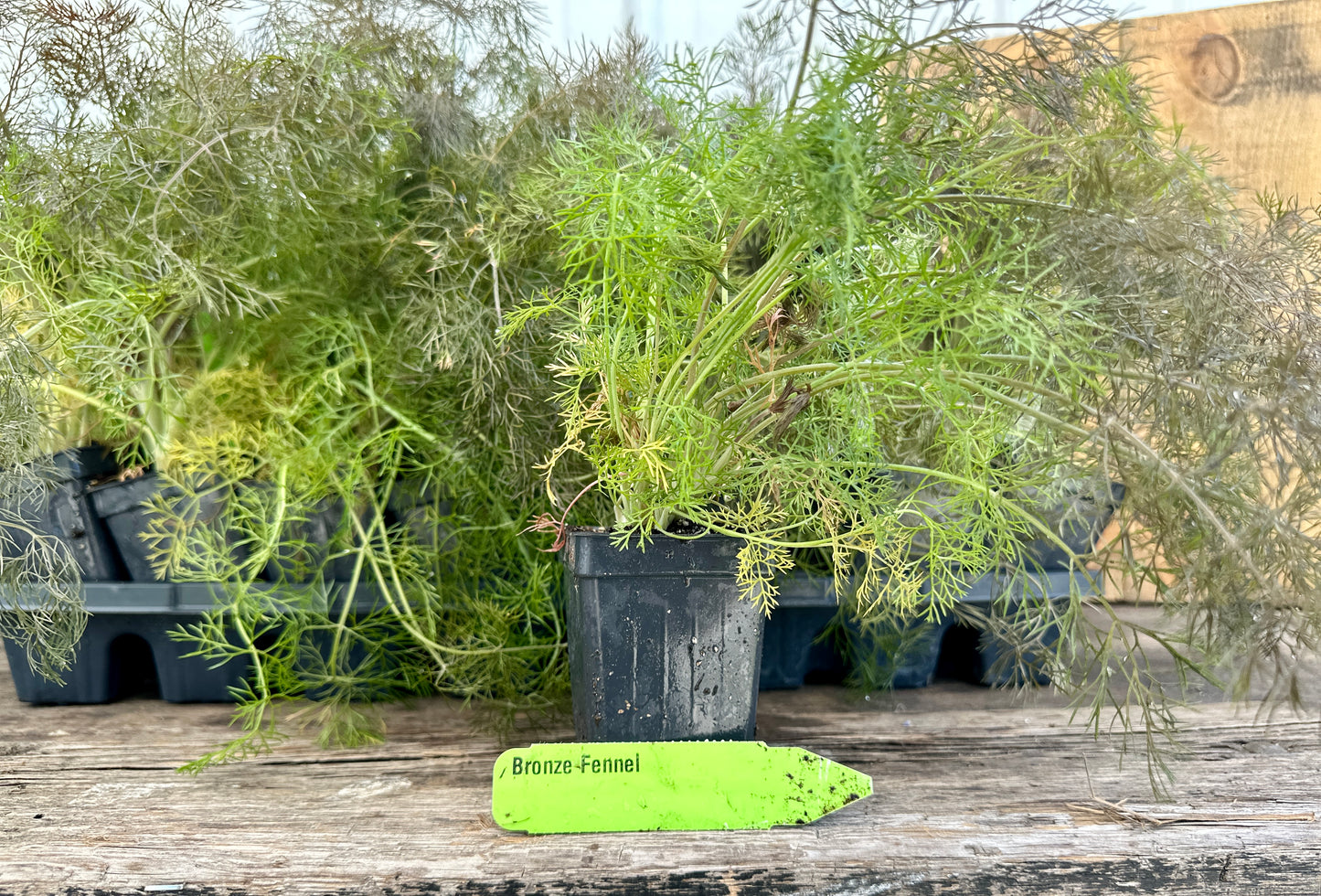
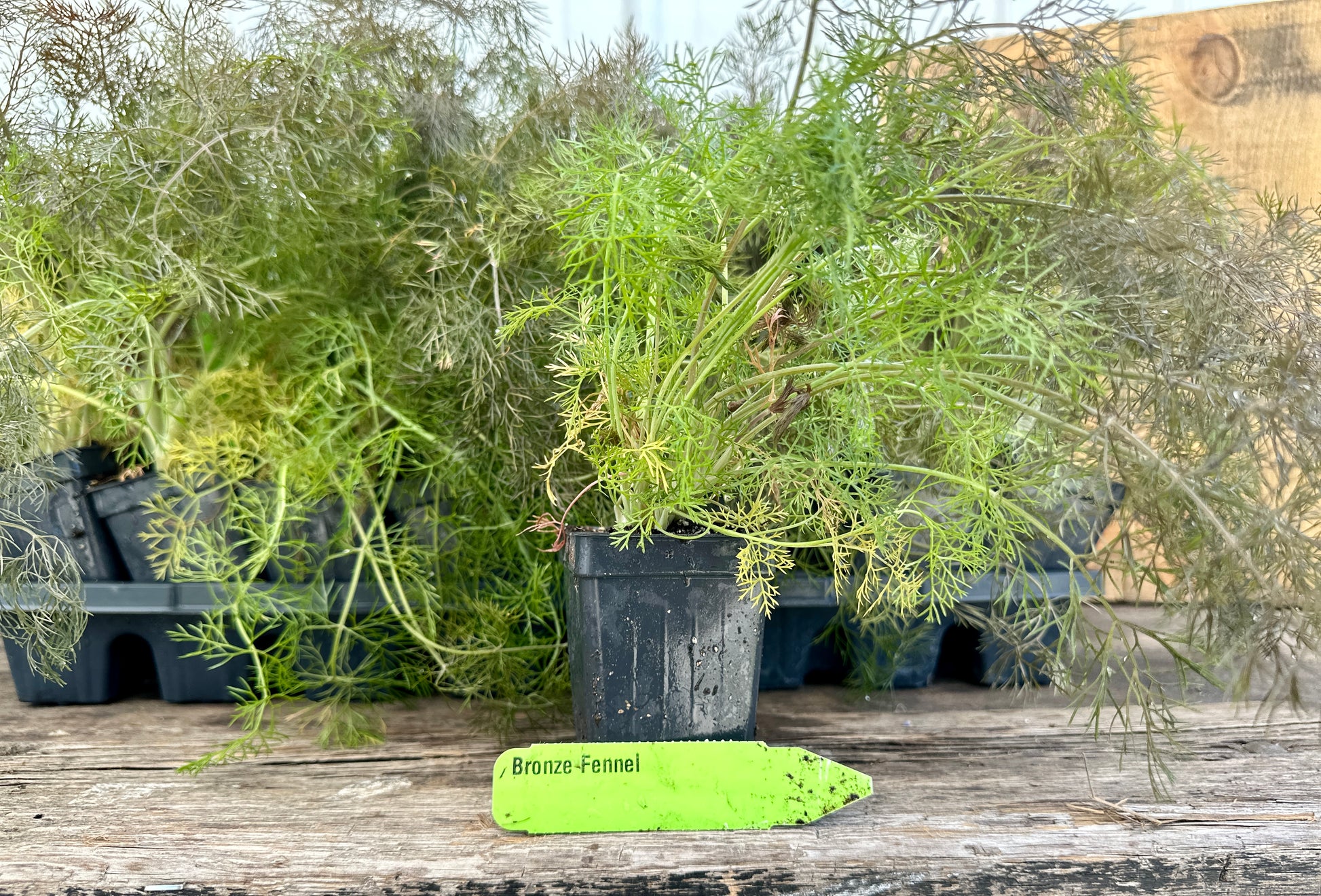
Bronze fennel (Foeniculum vulgare 'Purpureum') is a versatile and flavorful herb that's well worth growing if you have the right spot for it. Its leaves carry a classic sweet, anise-like flavor that pairs beautifully with fish, breads, and salads—and it produces abundantly throughout the season. Pollinators love it, and the feathery bronze foliage adds some color and texture to the garden. Just be thoughtful about placement; fennel can be a bit of a difficult neighbor to some plants, so it does best with some elbow room.
SHIPPING INFO: Herbs primarily ship in May.
Why Grow Bronze Fennel?
🎨 Spectacular Ornamental Plant: That deep bronze, feathery foliage is unlike almost anything else in the herb garden—beautiful as a border plant, a backdrop, or a standalone feature.
🌿 Fully Edible and Flavorful: Leaves, seeds, and all parts of the fennel plant are usable in the kitchen, with a sweet licorice flavor that pairs especially well with fish, breads, and salads.
🐝 Pollinators and Swallowtails Love It: Fennel's large, open flower heads are easy for bees and butterflies to access, and it's a known host plant for swallowtail butterfly caterpillars.
Growing Information
🌱 Plant Type: Herbaceous perennial
🌱 Plant Height: 4–6 feet
🌱 Hardiness Zones: 4–9
🌱 When to Plant: Spring, after last frost
🌱 When to Harvest: Leaves can be harvested throughout the growing season; seeds in late summer once the flower heads begin to dry; pollen when flowers are fully open
Cultivation Tips
- Soil: Well-draining soil of average fertility. Like thyme, fennel doesn't need rich soil and can actually get leggy and floppy if over-fertilized.
- Sunlight: Full sun—fennel loves heat and light and will perform best with at least 6 hours of direct sun per day.
- Watering: Water regularly until established, then water sparingly. Bronze fennel is fairly drought-tolerant once settled in.
- Harvesting: Snip feathery leaves as needed throughout the season. For seeds, wait until the flower heads begin to turn brown, then cut and dry them in a paper bag to catch the seeds as they fall.
- Garden placement: Be mindful of where you plant fennel. It is allelopathic, meaning it can inhibit the growth of some neighboring plants, particularly tomatoes, peppers, and beans. It grows happily alongside dill, but keep it away from most vegetables.
- Self-seeding: Bronze fennel self-seeds readily. Deadhead spent flower heads if you want to limit spreading, or let it go to seed and enjoy the volunteer plants that pop up the following year.
Medicinal & Herbal Uses
Fennel has been used as a medicinal herb since ancient times, valued across Greek, Roman, and Chinese traditional medicine. Some of its most common traditional uses include:
- Digestive support: Fennel tea and fennel seeds are among the most widely used traditional remedies for bloating, gas, and indigestion. Fennel seed tea is a common home remedy for an upset stomach.
- Infant colic: Diluted fennel tea has traditionally been used to soothe colic in infants, though this should always be discussed with a pediatrician first.
- Respiratory support: Fennel has traditionally been used to help ease coughs and congestion.
- General tonic: In many herbal traditions, fennel is considered a broadly strengthening herb, used to support overall wellness and vitality.
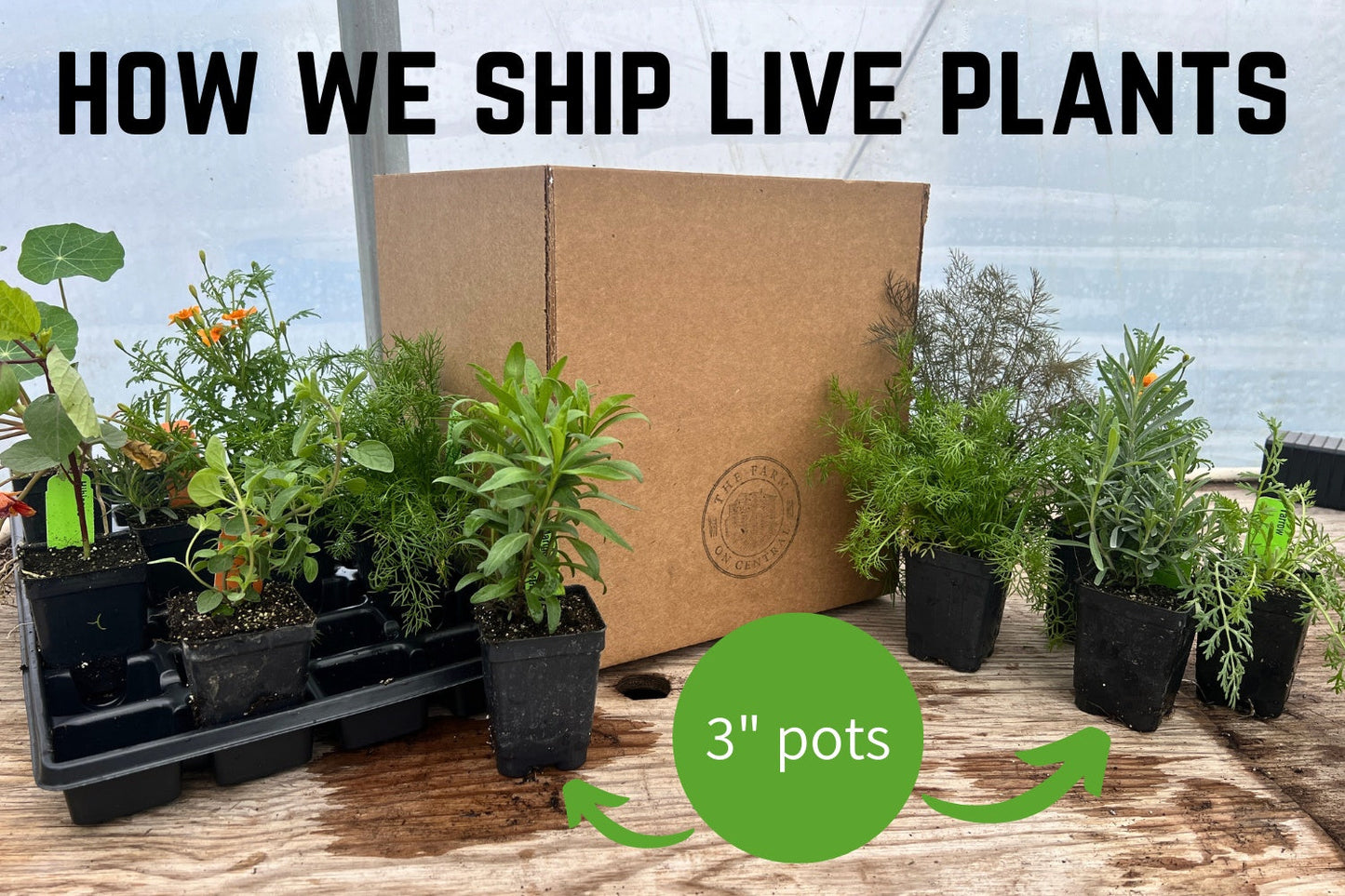
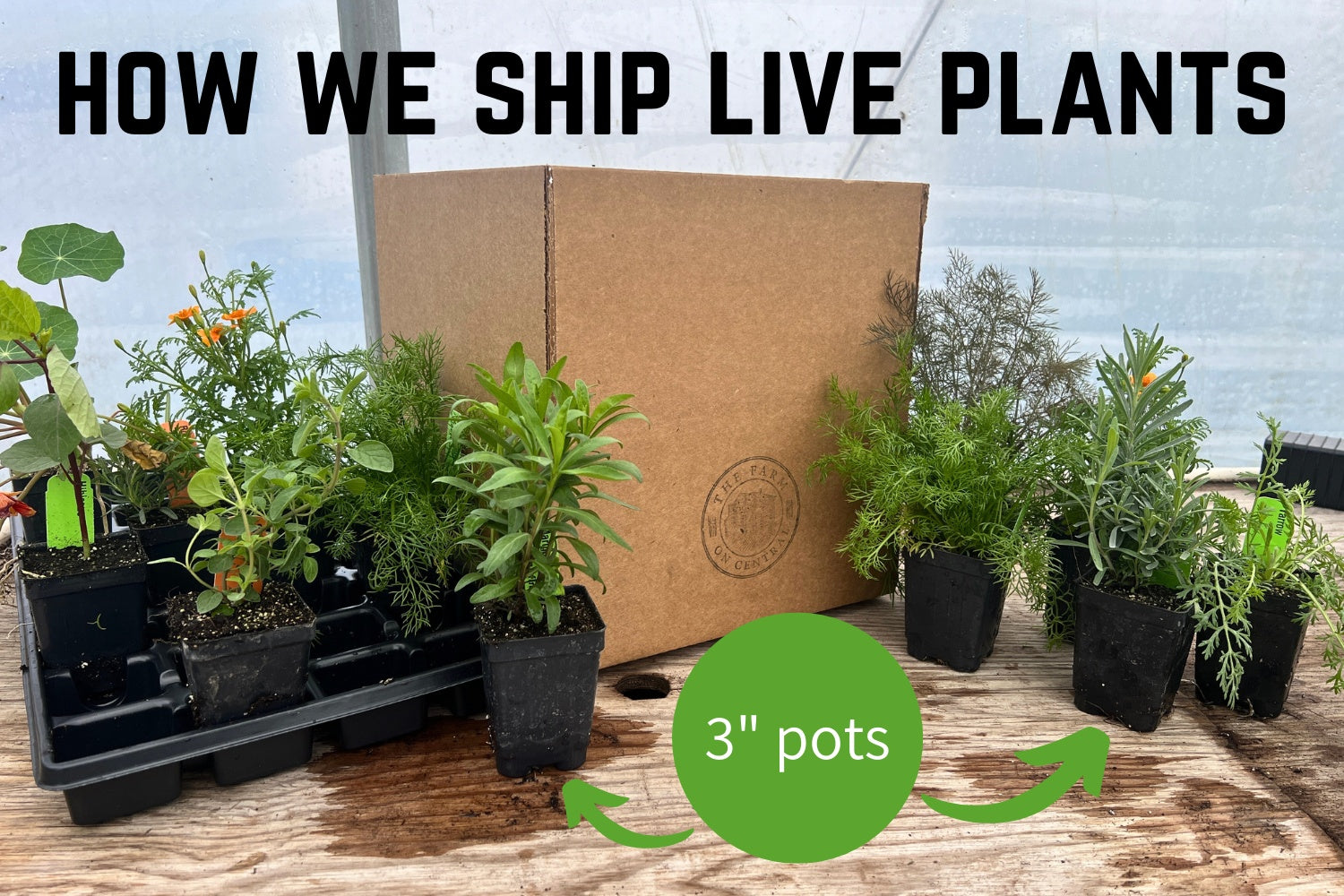
Our bronze fennel is greenhouse-grown and arrives as an established plug in a 3" pot, ready to go straight into your garden or container.
Non-GMO Commitment: At The Farm on Central, all our plants are guaranteed non-GMO and not genetically modified in any way, upholding natural breeding methods and promoting sustainable gardening and farming practices.