Wyldewood Elderberry
Wyldewood Elderberry
Couldn't load pickup availability
Commercial orders: Looking to order over 200 cuttings? Reach out to us about special bulk pricing at shop@farmoncentral.com.
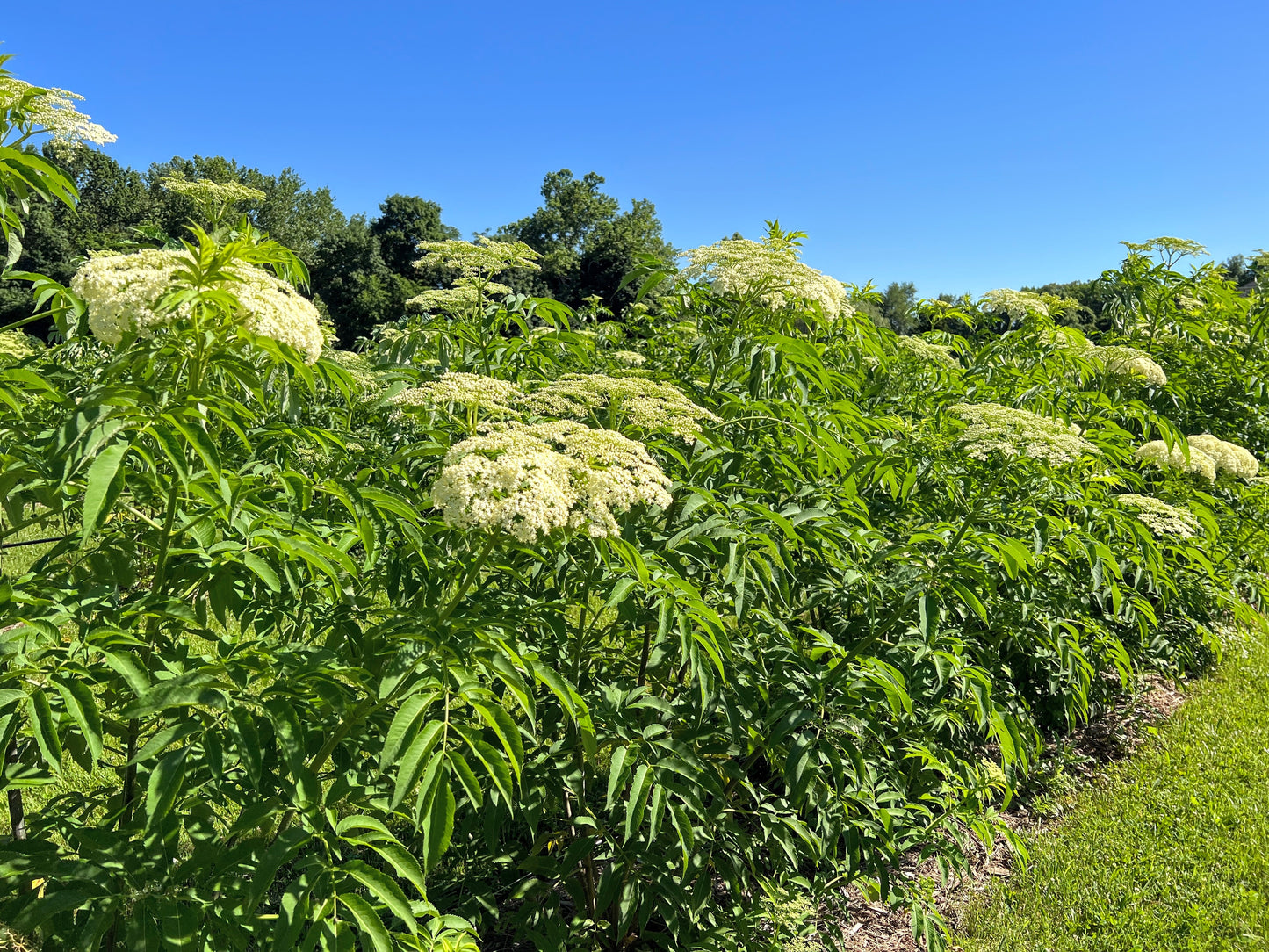
Bring the powerhouse Wyldewood Elderberry (Sambucus canadensis 'Wyldewood') to your farm or garden, a remarkably high yielding American elderberry variety and the first ever released by the University of Missouri’s elderberry breeding program. Known for its vigorous growth potential of 12,000 lbs. per acre, exceptional productivity, and late season ripening, Wyldewood is a top choice for growers seeking maximum berry production with reliable performance. Most stems occur with three umbels that are first to reach bud break of the majority of varieties and ripen later in the season.
Why Choose Wyldewood Elderberry?
• Exceptional Yields: Capable of producing up to twelve thousand pounds per acre under ideal conditions, making it one of the most productive elderberry varieties available.
• Vigorous and Upright Growth: Strong stems often carry three umbels each, contributing to heavy fruit set.
• Early Bud Break: One of the first elderberries to break bud in spring, ensuring a strong start to the growing season.
• Late Season Ripening: Extends your harvest window by ripening later than many other varieties.
• University Developed: Wyldewood was the first elderberry released by the University of Missouri, known for its research backed agricultural selections.
• Excellent for Commercial or Homestead Plantings: Combines vigor and productivity for both small scale and larger orchards.
Medicinal and Nutritional Benefits
Wyldewood elderberries are prized not only for their remarkable productivity but also for their impressive nutritional and medicinal profile. Known for exceptionally high anthocyanin levels, Wyldewood berries are rich in antioxidants, vitamin C, vitamin A, and beneficial flavonoids that support immune health and overall vitality. Elderberries have long been used in traditional herbalism for promoting respiratory wellness, easing seasonal discomforts, and strengthening natural defenses. With Wyldewood’s large, abundant clusters and late season harvests, you can expect a plentiful supply of nutrient dense berries perfect for syrups, tinctures, wine making, and homemade remedies.
Planting and Growing Instructions
-
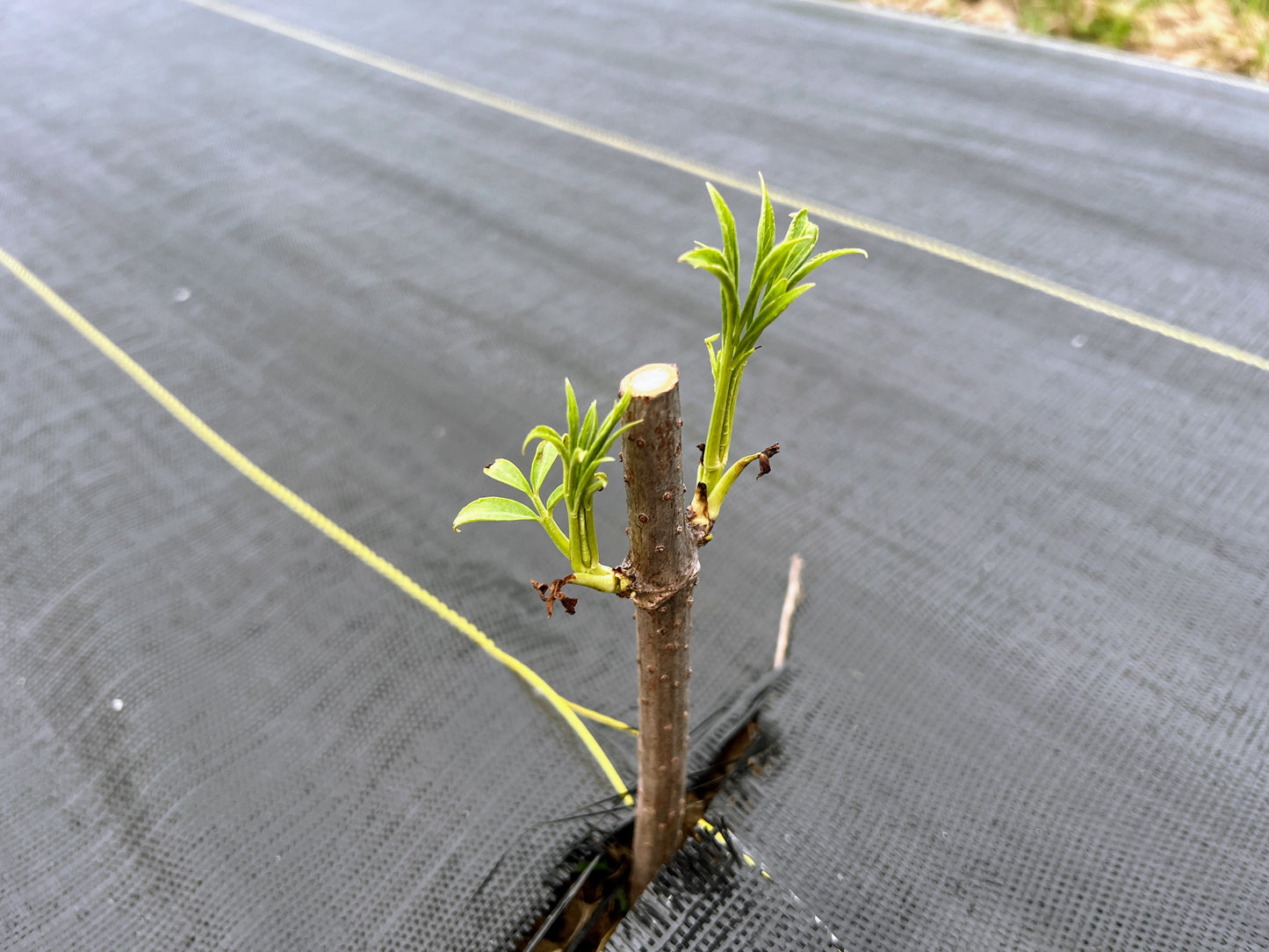
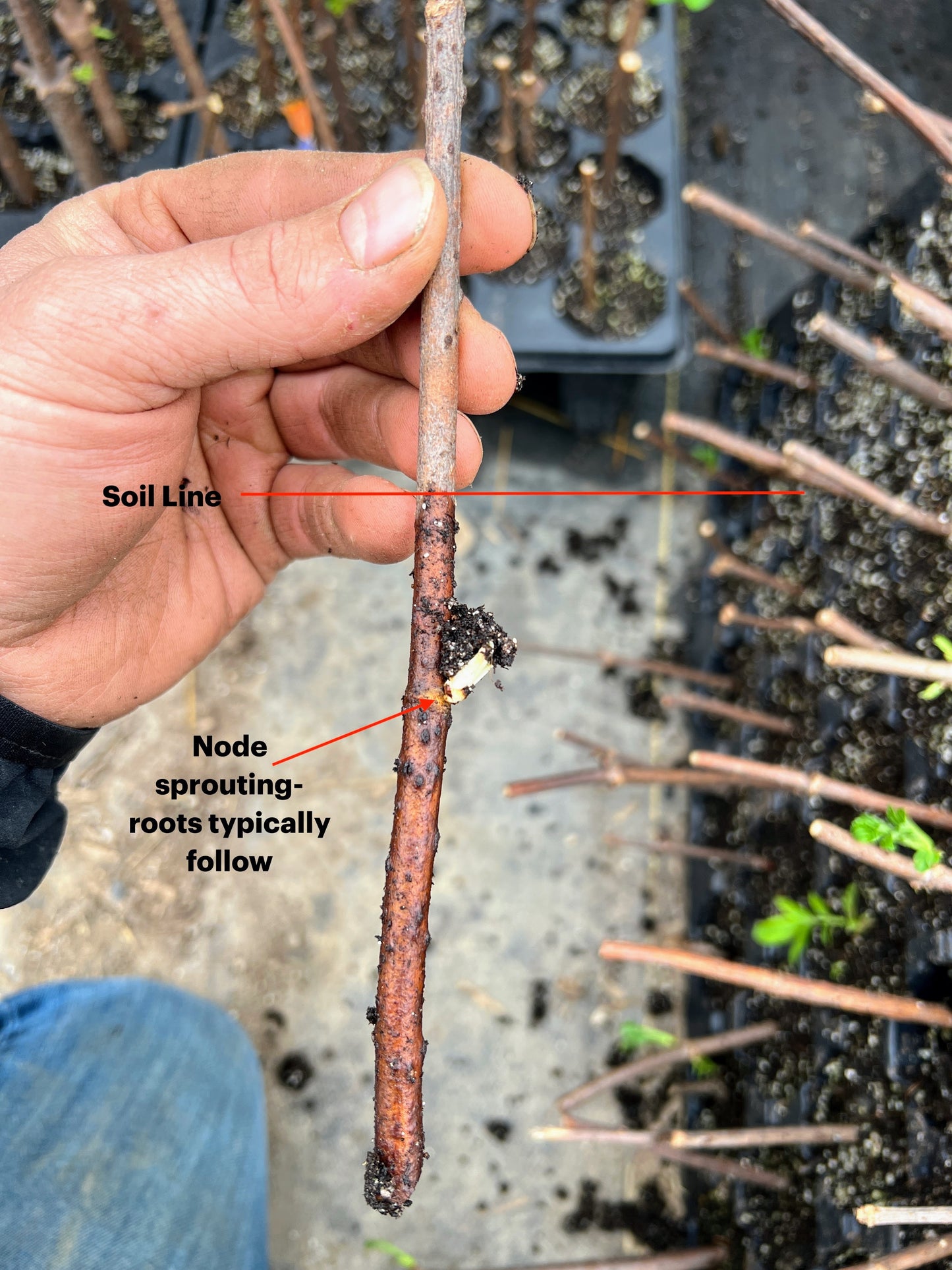
Preparing the Cuttings: Place cuttings in water or moist soil immediately upon arrival. Cuttings may be rooted indoors or planted directly outdoors when conditions are suitable.
-
Planting Time: Best planted in early spring as soon as the soil can be worked.
-
Location: Choose a site with full sun to partial shade to support vigorous growth and fruit production.
-
Soil Preferences: Prefers moist, well draining soil with a slightly acidic to neutral pH between 6.0 and 7.0.
-
Spacing: Space plants 2 to 4 feet apart in rows spaced 10 to 14 feet apart for airflow and ease of harvest.
-
Watering: Keep soil consistently moist while roots establish. Maintain steady watering during dry periods for optimal yields.
-
Pruning: Prune in late winter or early spring to remove older or damaged canes and promote strong new first year growth.
| Option | Best For | Key Benefits | Price Point | Time to First Harvest |
|---|---|---|---|---|
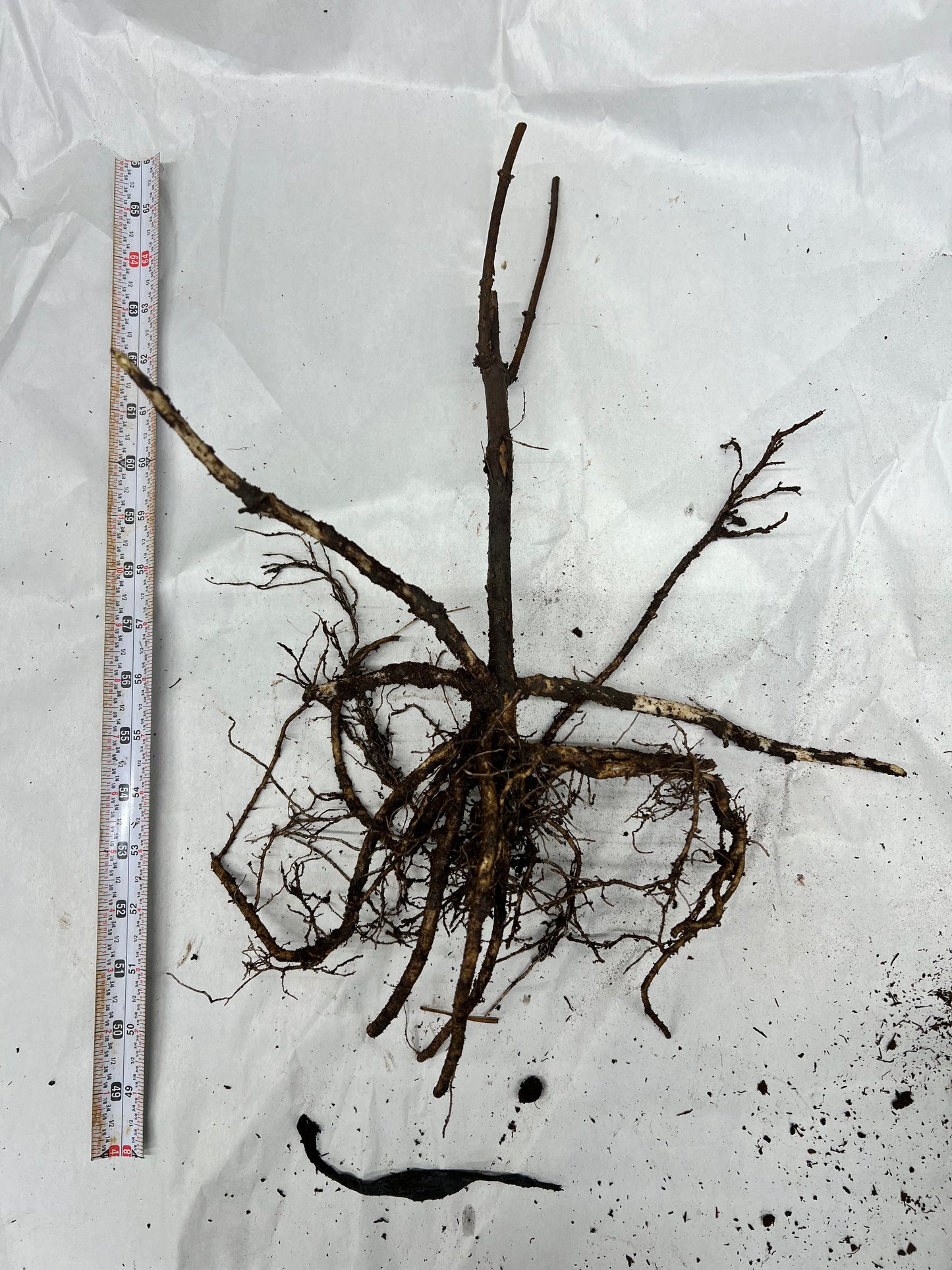
| Bareroot Plants | Faster results, higher success, larger-scale planting | - Established young plants (1–2 years old) with roots already developed - Plant directly in the ground—no rooting needed - Higher survival rate (90%+ in good conditions) - Produce flowers/berries 1–2 years sooner - Stronger start, better drought tolerance early on | Higher per plant | 1–2 years |
| Dormant Cuttings | Budget-friendly, experimenting, or propagating your own | - Much cheaper—great for planting many at once - Root easily in soil or water (often 80–95% success) - Simple to start: stick in moist ground or pot up - Ideal for homesteaders who enjoy propagation - Same productive plants as bareroot—just takes a little longer | Much lower cost | 2–3 years |
Pro Tips for Success
• Plant Multiple Varieties: Elderberries are semi self fertile, so pairing Wyldewood with varieties such as Adams, Johns, or Goodbarn can significantly improve yields.
• Harvest Timing: Berries ripen late in the season, providing a valuable extension to your elderberry harvest period.
• Best for High Production Goals: Excellent for growers focused on syrup making, winemaking, or commercial processing.
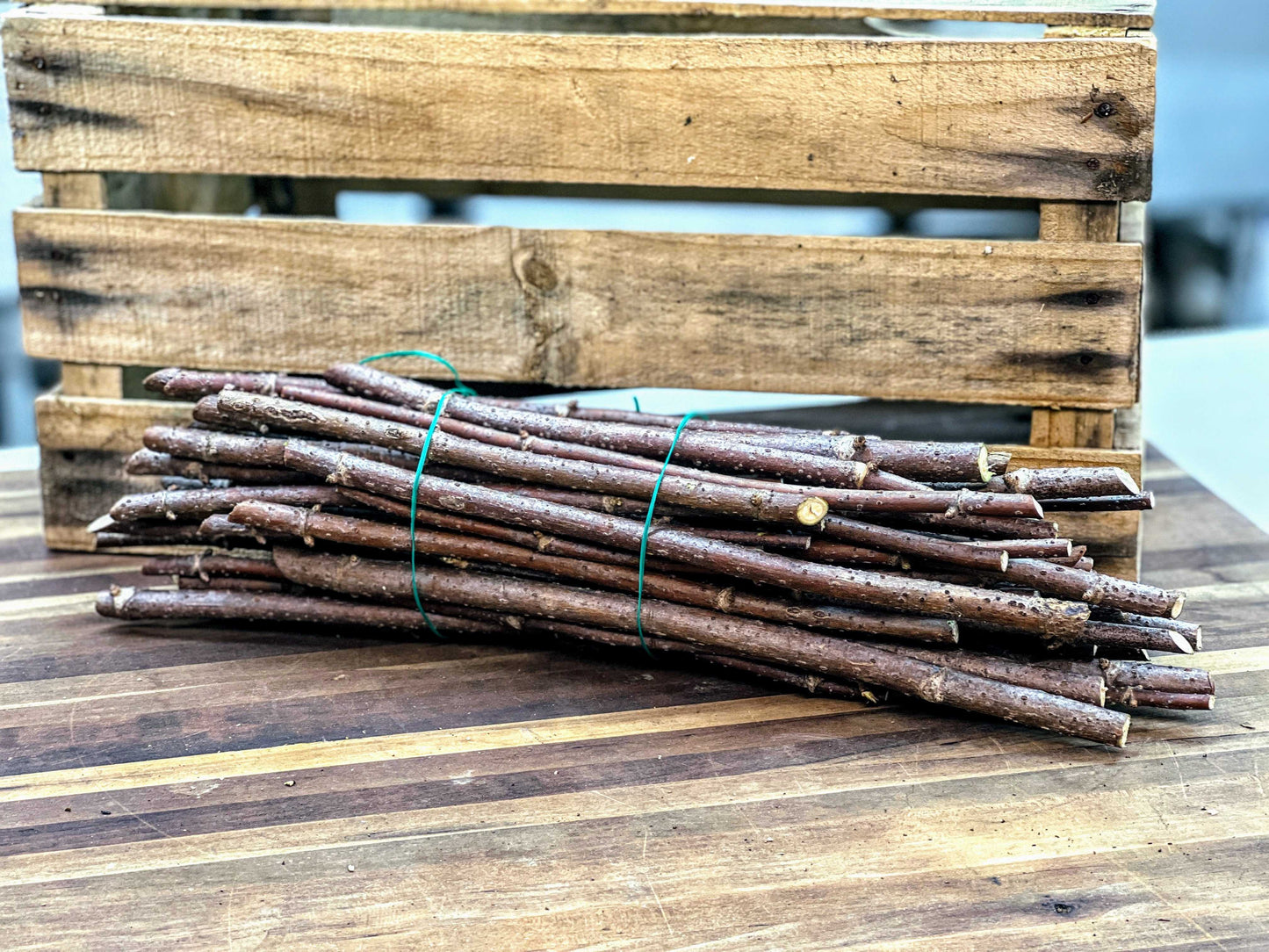
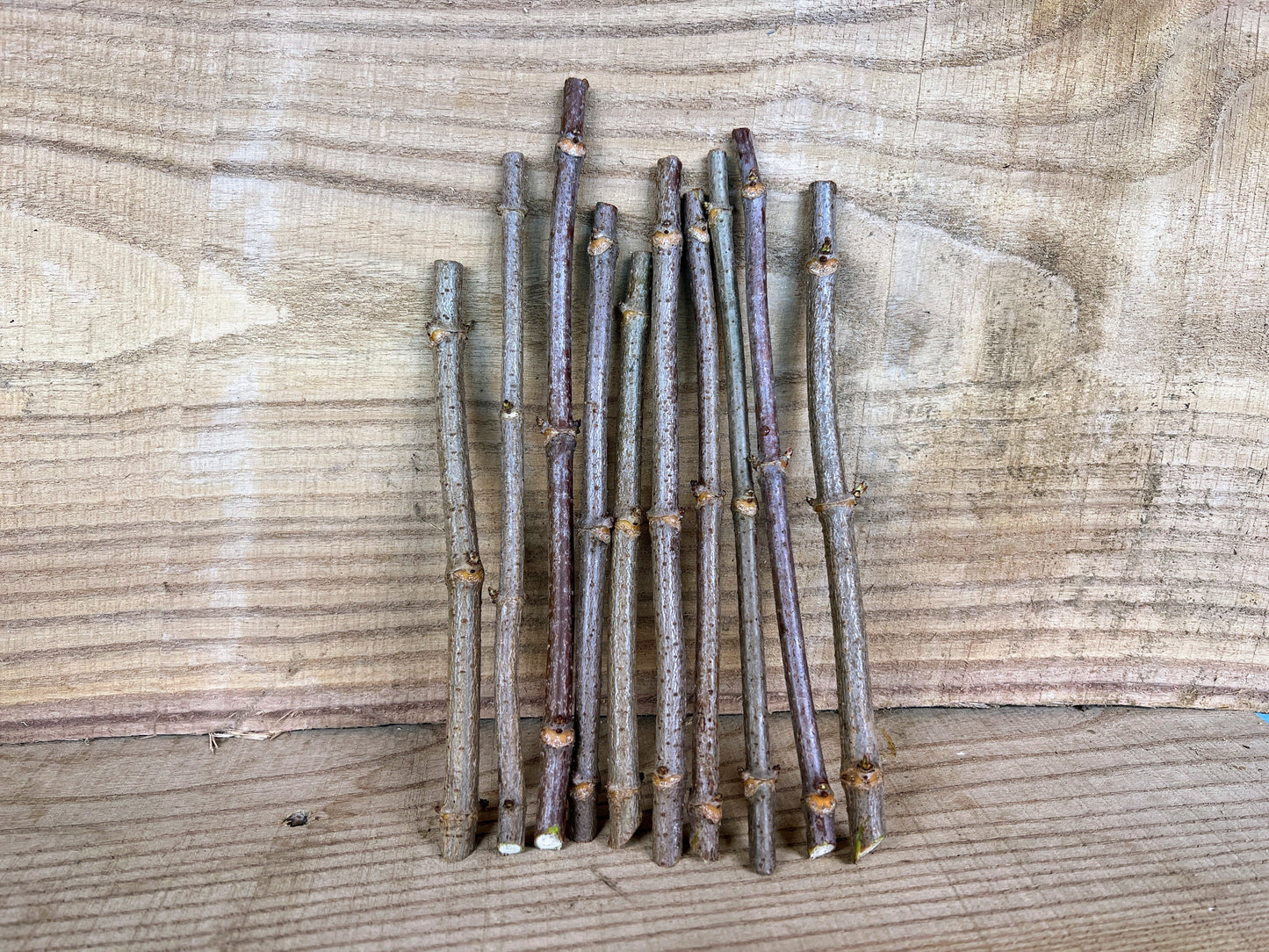
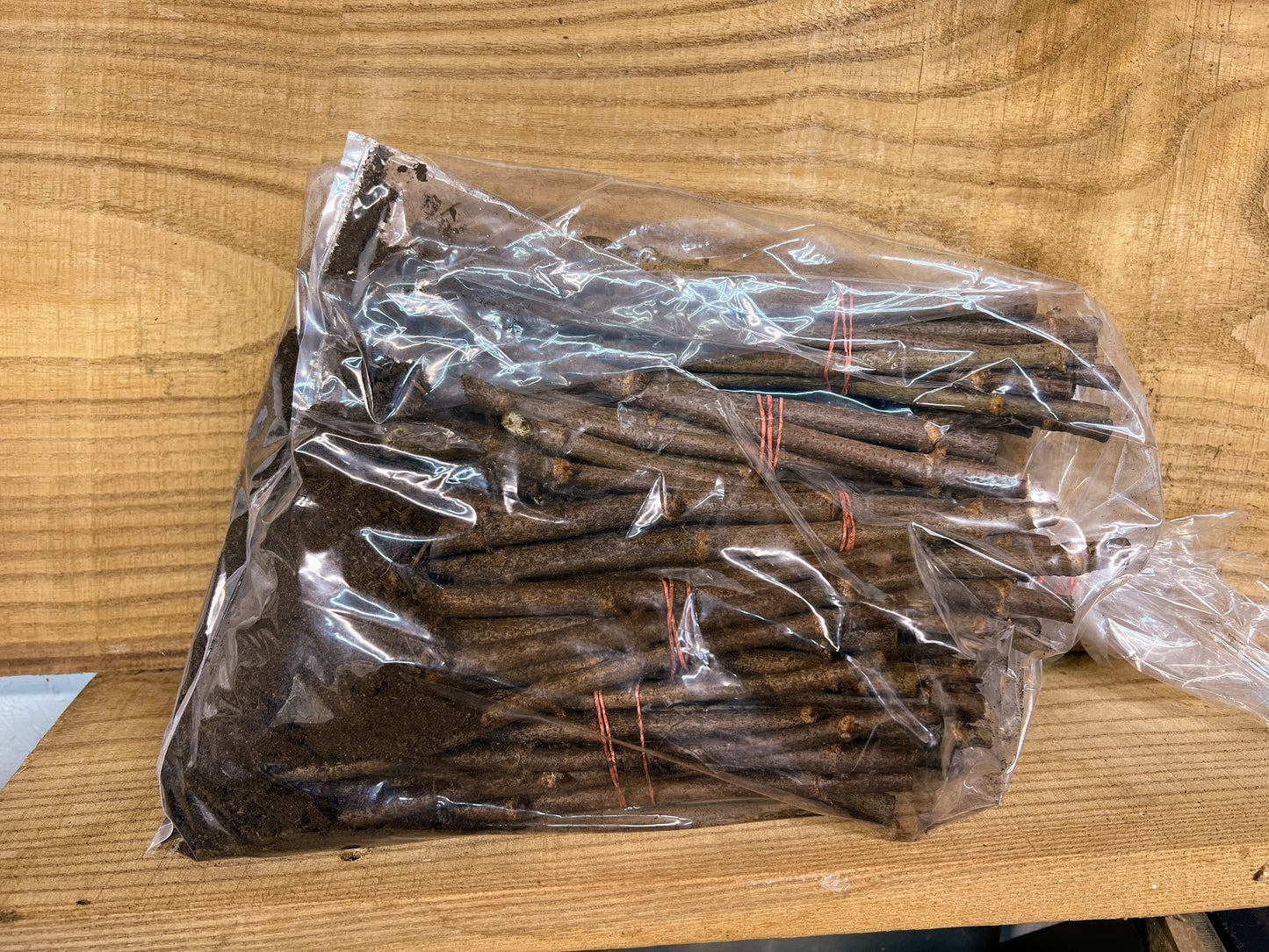
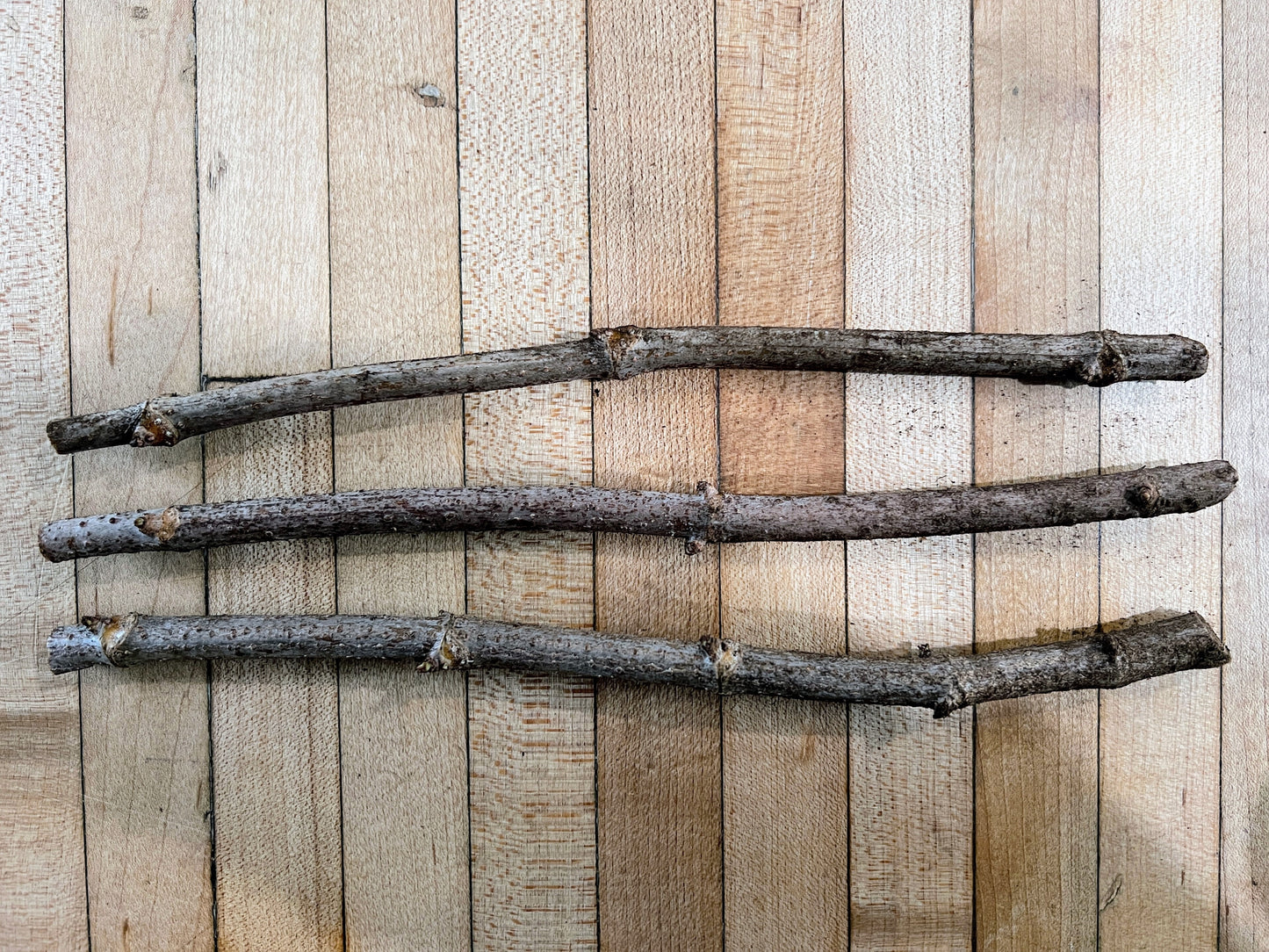
All elderberry bundles include a minimum of three cuttings with two or more nodes each. Please see product photos for examples of bundle sizes.
Shipping Details: Sold as dormant cuttings in bundles, shipped fresh starting in February. STORE IN YOUR REFRIGERATOR UNTIL PLANTING.
Non-GMO Commitment: At Growing Farmers and The Farm on Central, all our plants are guaranteed non-GMO and not genetically modified in any way. We use only natural breeding methods to support sustainable gardening and farming.
Growing Method: Grown on our Coop farms using natural growing methods with no chemicals used.
Which Elderberry Should I Grow?
Elderberry Growing Instruction Guide