Pocahontas Elderberry
Pocahontas Elderberry
Couldn't load pickup availability
Commercial orders: Looking to order over 200 cuttings? Reach out to us about special bulk pricing at shop@farmoncentral.com.
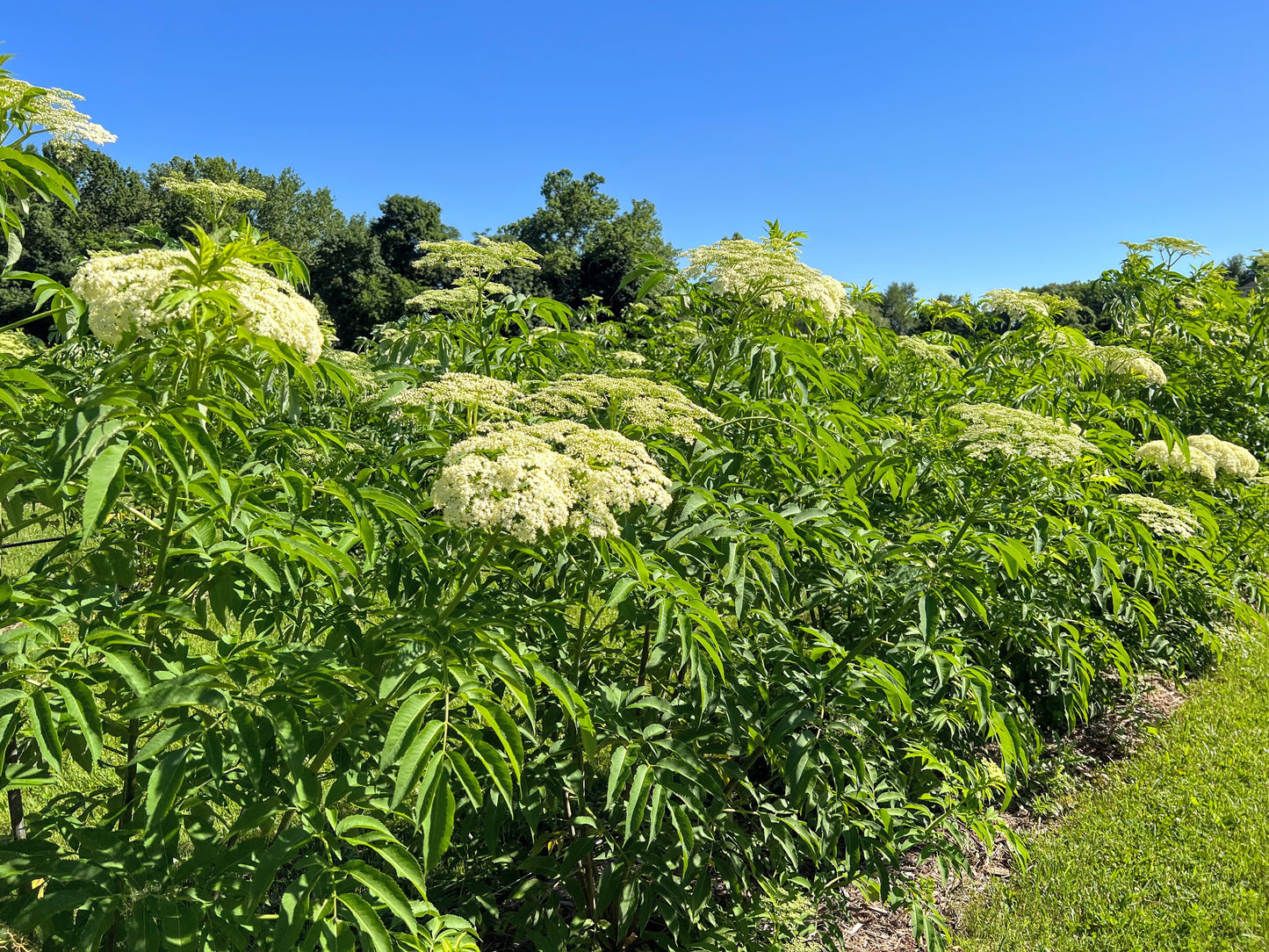
Bring the impressive Pocahontas Elderberry (Sambucus canadensis ‘Pocahontas’) to your garden, a fast growing, high yielding American elderberry variety known for producing some of the largest flower cymes and berry clusters of any cultivar. With blooms and fruiting heads that can reach up to twenty four inches across, Pocahontas stands out for both productivity and visual impact. Because it blooms later than many other varieties, growers in shorter season climates may experience incomplete ripening, but in moderate to long season regions, it delivers exceptional yields and vigorous growth.
Why Choose Pocahontas Elderberry?
• Extra Large Flower and Berry Heads: Produces remarkably large cymes and clusters, often up to twenty four inches across.
• Vigorous Growth: Fast growing plants with strong upright canes and excellent fruit set.
• High Yield Potential: Known for producing abundant clusters that outperform many standard varieties.
• Later Blooming Variety: Ideal for regions with longer growing seasons where full ripening can occur.
• Unique and Highly Desired: A newer cultivar that brings both productivity and ornamental value.
• Limited Availability: Due to strong demand and limited supply, we cap quantities to allow more growers the chance to try this exciting cultivar.
Medicinal and Nutritional Benefits
Pocahontas elderberries provide a nutrient dense harvest rich in anthocyanins, antioxidants, vitamin C, vitamin A, and beneficial flavonoids known to support immune health and overall wellness. Like other American elderberries, they have been used in traditional herbalism for supporting respiratory health, easing seasonal discomforts, and strengthening natural defenses. Their large berry clusters offer generous yields ideal for syrups, jellies, tinctures, teas, wines, and homemade remedies, making this variety especially appealing to both home herbalists and culinary enthusiasts.
Planting and Growing Instructions
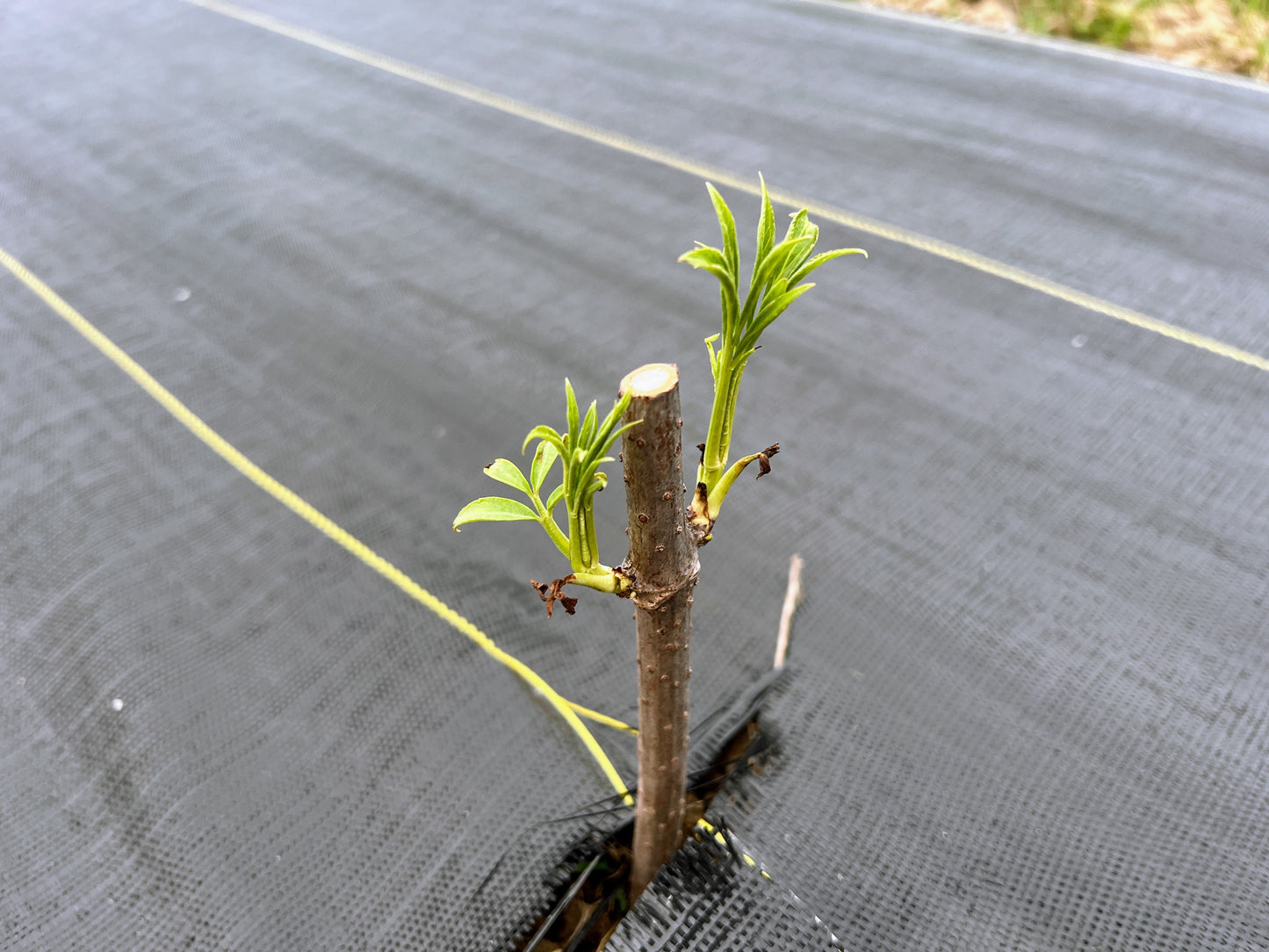
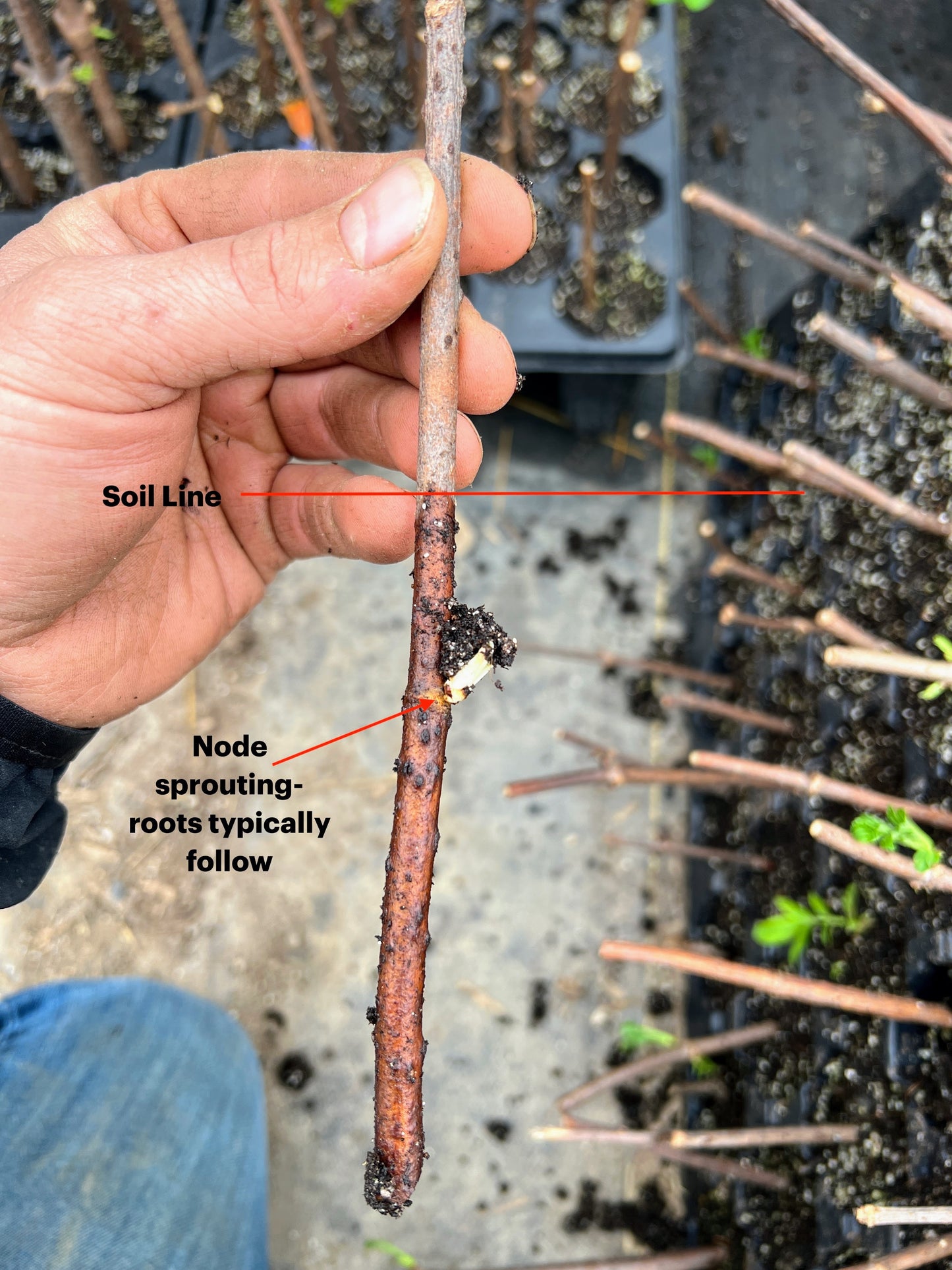
- Preparing the Cuttings: Place cuttings in water or moist soil immediately upon arrival. You may root them indoors or plant directly outdoors when conditions are suitable.
- Planting Time: Best planted in early spring as soon as soil can be worked.
- Location: Full sun to partial shade encourages strong growth and abundant fruiting.
- Soil Preferences: Prefers moist, well draining soil with a slightly acidic to neutral pH between 6.0 and 7.0.
- Spacing: Plant 2 to 4 feet apart in rows spaced 10 to 14 feet apart for healthy airflow and ease of maintenance.
- Watering: Keep soil consistently moist during establishment. Continue regular watering during dry periods for best production.
- Pruning: Prune in late winter or early spring to remove older stems and encourage new first year canes, which bear the highest quality fruit.
| Option | Best For | Key Benefits | Price Point | Time to First Harvest |
|---|---|---|---|---|
| Bareroot Plants | Faster results, higher success, larger-scale planting | - Established young plants (1–2 years old) with roots already developed - Plant directly in the ground—no rooting needed - Higher survival rate (90%+ in good conditions) - Produce flowers/berries 1–2 years sooner - Stronger start, better drought tolerance early on | Higher per plant | 1–2 years |
| Dormant Cuttings | Budget-friendly, experimenting, or propagating your own | - Much cheaper—great for planting many at once - Root easily in soil or water (often 80–95% success) - Simple to start: stick in moist ground or pot up - Ideal for homesteaders who enjoy propagation - Same productive plants as bareroot—just takes a little longer | Much lower cost | 2–3 years |
Pro Tips for Success
• Best for Longer Growing Seasons: Pocahontas blooms later than many varieties, so gardeners in northern or short season regions may experience partial ripening.
• Increase Yields with Multiple Varieties: Although elderberries are semi self fertile, pairing Pocahontas with varieties such as Adams, Johns, Ranch, or Wyldewood can improve yields.
• Ideal for Abundant Processing Harvests: The unusually large berry heads make harvesting efficient and ideal for syrup making, freezing, and preserving.
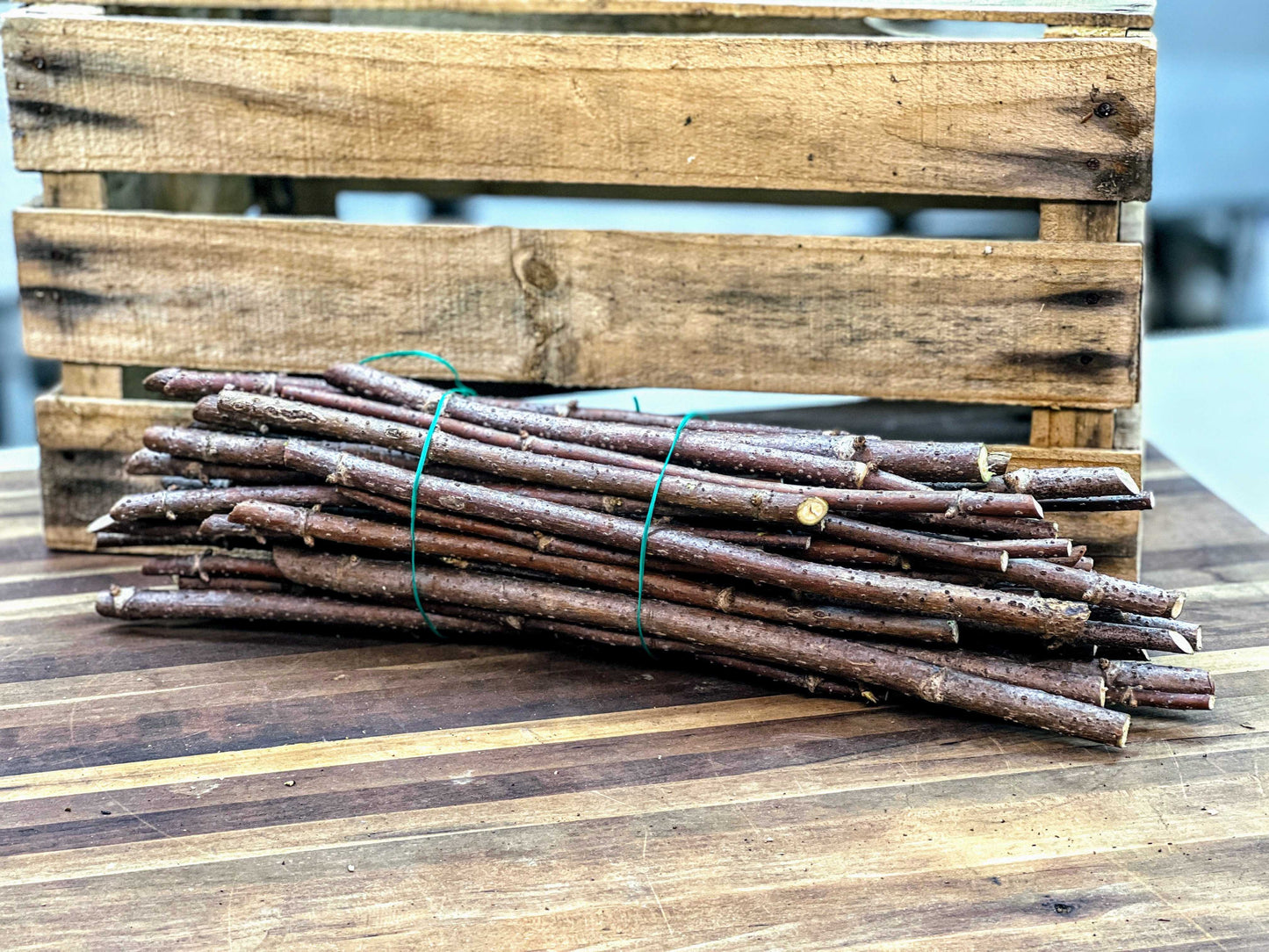
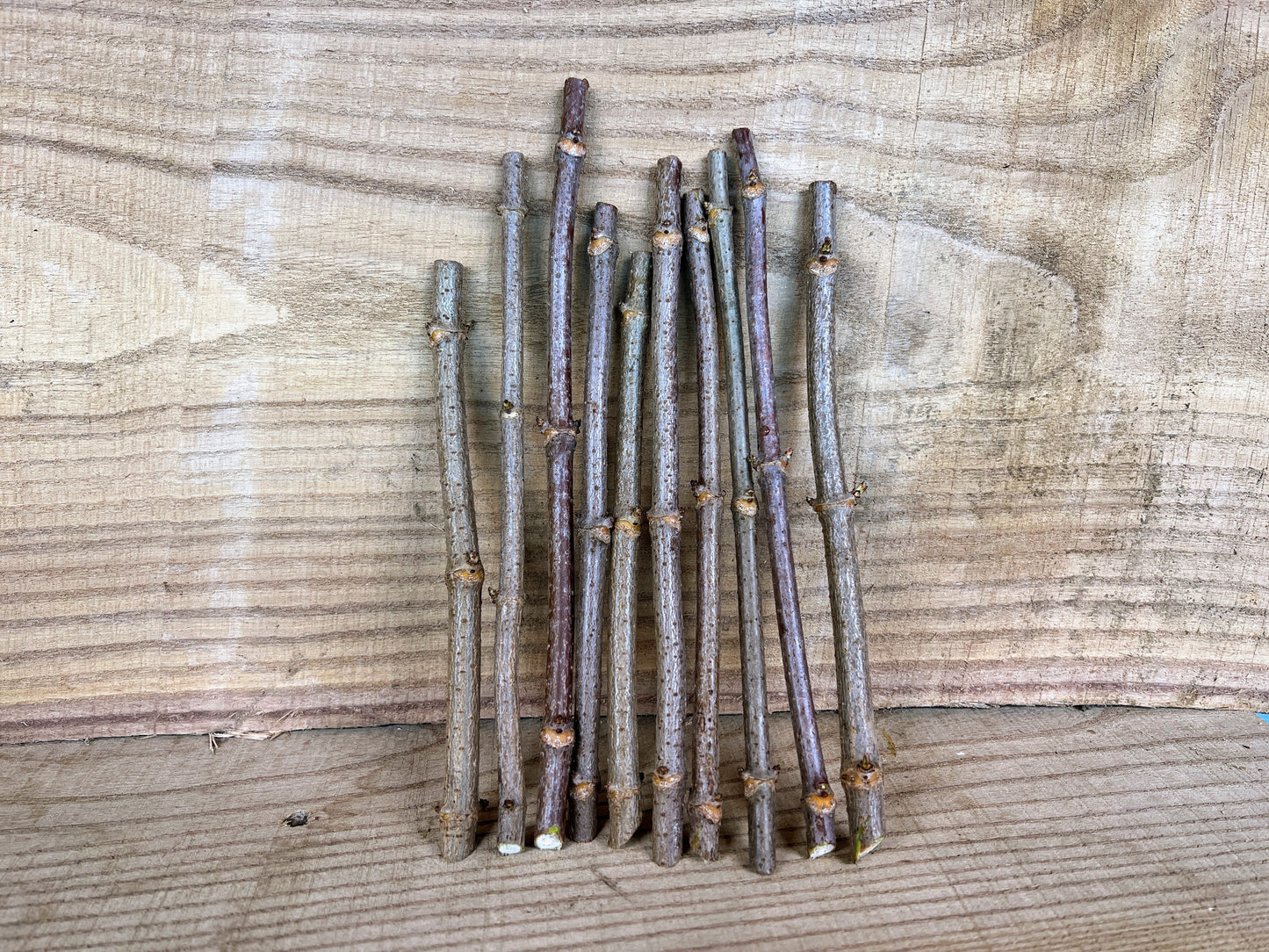
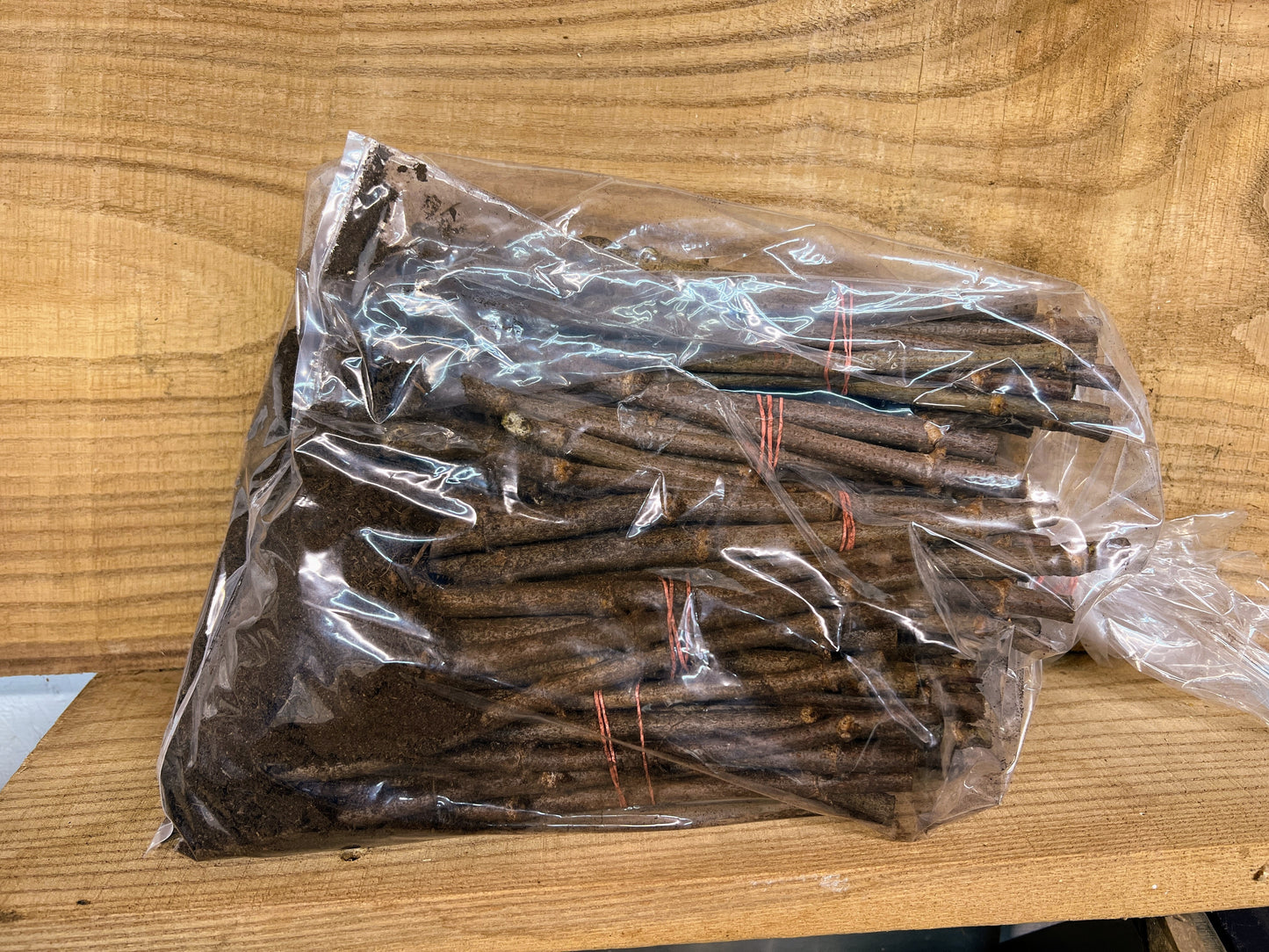
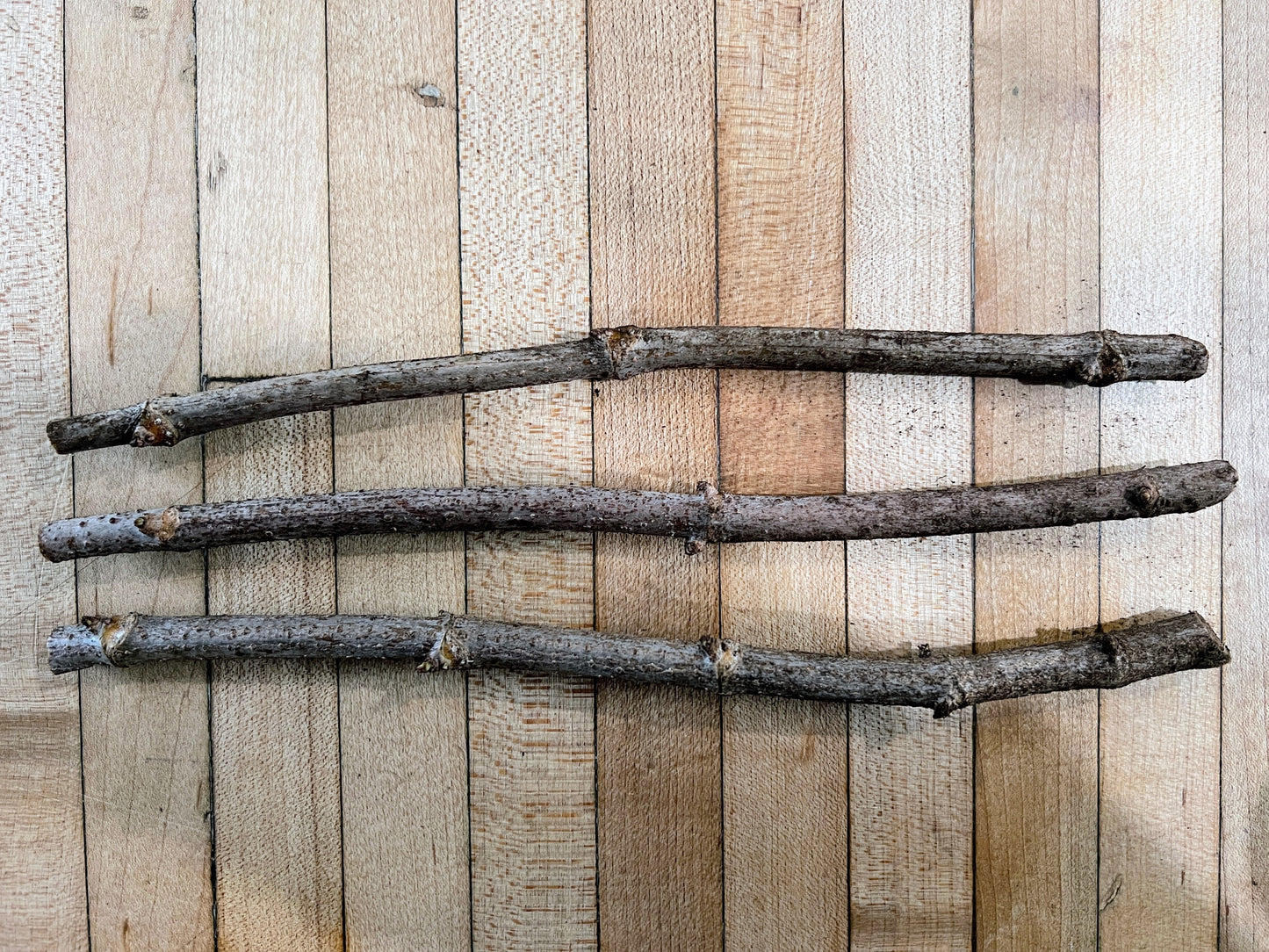
All elderberry bundles include a minimum of three cuttings with two or more nodes each. Please see product photos for examples of bundle sizes.
Shipping Details: Sold as dormant cuttings in bundles, shipped fresh starting in February. STORE IN YOUR REFRIGERATOR UNTIL PLANTING.
Non-GMO Commitment: At Growing Farmers and The Farm on Central, all our plants are guaranteed non-GMO and not genetically modified in any way, upholding natural breeding methods and promoting sustainable gardening and farming practices.
Growing method: Grown on our Coop farms using natural growing methods, no chemicals used.
Which Elderberry Should I Grow?
Elderberry Growing Instruction Guide