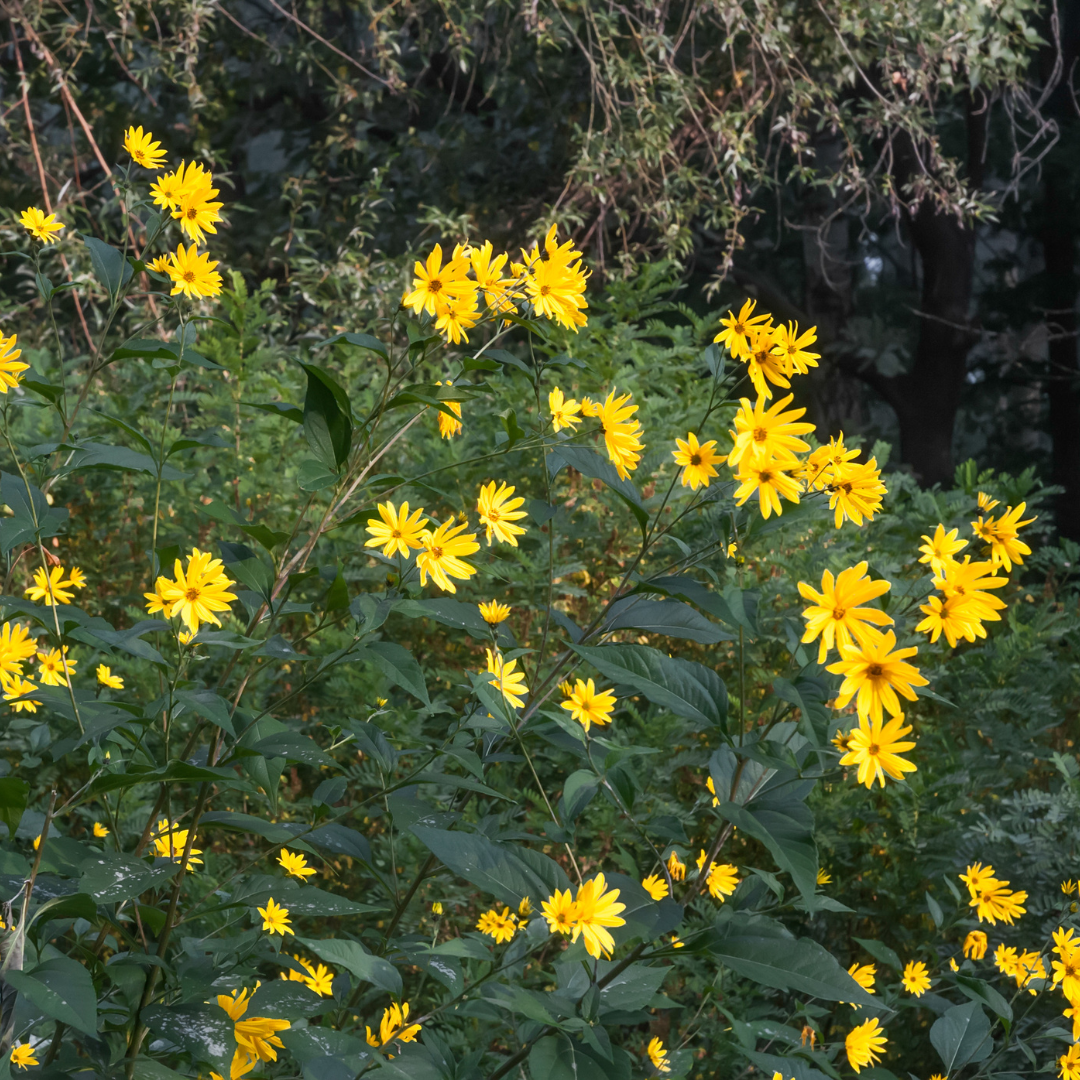
Red Fuseau Jerusalem Artichokes
Red Fuseau Jerusalem Artichokes
Couldn't load pickup availability
Red Fuseau is one of the most sought-after Jerusalem artichoke varieties available. With smooth, elongated tubers and a rich, nutty flavor, it's widely regarded as one of the best-eating sunchoke varieties out there. The skin has a distinctive reddish hue that makes it easy to identify at harvest, and the smoother shape means less waste when preparing them in the kitchen compared to knobbier varieties. We only have a very limited supply this year, so if you've been wanting to try Red Fuseau, don't wait.
Shipping Details: Tubers ship starting in February 2027
Quantity: 1 lb of seed tubers contains approximately 15–20 seed pieces. Plant 12" to 18" apart.
Why Grow Jerusalem Artichokes?
- Versatile Survival Superfood: Rich in inulin, a prebiotic fiber, these tubers are a powerhouse of energy and health. Ideal for ensuring food security in survival scenarios, they are a robust addition to any garden. They can be harvested starting in September and throughout the winter, and can be cooked in a huge variety of ways, much like potatoes.
- Only Plant Once: Jerusalem Artichokes will come back year after year, meaning that just one planting can provide you with a harvest every year. In northern growing zones, simply cover the plants with straw over winter to protect the tubers and ensure they come back.
- Beneficial Animal Feed: High in nutrients and easy to grow, Jerusalem Artichokes provide an economical and sustainable feed option for livestock, reducing feed costs without compromising nutritional value. Plant for pigs, and they can harvest their own food all winter!
- Attractive to Pollinators: The striking yellow flowers not only add beauty to your garden but are also a haven for bees, butterflies, and other beneficial insects, promoting pollination and enhancing biodiversity.
- Thrives Across Climates: Suitable for USDA Zones 3-9, these hardy perennials can withstand a range of environmental conditions, making them a versatile choice for American gardens.
- Eco-Friendly Gardening: By planting Jerusalem Artichokes, you contribute to soil health, prevent erosion, and support a vibrant ecosystem in your own backyard.
Growing Information
🌱 Plant Type: Perennial tuber (Helianthus tuberosus)
🌱 Plant Height: 6–10 feet
🌱 Hardiness Zones: 3–9
🌱 When to Plant: Fall or Spring
🌱 When to Harvest: Beginning in September; can be left in the ground and harvested throughout winter. Spring-dug tubers are noticeably sweeter.
Cultivation Tips
- Soil: Adaptable to most soil types. Jerusalem artichokes are not fussy—they'll grow in conditions that would challenge most other crops.
- Sunlight: Full sun for best yields, though they tolerate partial shade.
- Spacing: Plant tubers 12–18 inches apart.
- Location: These do best on the edges of a garden or in a dedicated area you can commit to the crop permanently. Once established they are prolific and persistent. A raised bed is recommended for containment.
- Spreading: Jerusalem artichokes will come back year after year from tubers left in the ground. They don't spread rapidly, but they are difficult to fully remove once established. They're easy to manage by mowing, but avoid planting something else in the same spot after harvest as small tubers left behind will regrow.
- Overwintering: Leave tubers in the ground after frost and harvest as needed through winter. A thick layer of straw mulch protects them and makes winter harvesting easier. Tubers left in the ground through winter and harvested in spring develop a noticeably sweeter flavor.
Important Consideration:
Persistence: While Jerusalem Artichokes are a valuable and versatile crop, they are known for their robust nature. Once established, they can be difficult to remove. We recommend careful consideration of planting location and using a designated area to manage their spread. They do not spread fast, and you can easily manage them by mowing, just don't try to plant something in the same spot after you have harvested the tubers.
How to Use:
- For Food: Harvest the tubers in late fall for a delicious and nutritious addition to your meals. Their nutty flavor and versatility make them perfect for a variety of dishes. Overwintering in the soil and spring dug are significantly sweeter.
- As Animal Feed: Cultivate a dedicated patch for your livestock and reduce your feed costs significantly.
Try this resilient crop for yourself!
Whether you're looking to enhance your food security, reduce feed costs, or simply grow a nutritious crop that’s as low-maintenance as it is useful, Jerusalem Artichokes have you covered.