

Wasatch Wild Elderberry
Wasatch Wild Elderberry
Couldn't load pickup availability
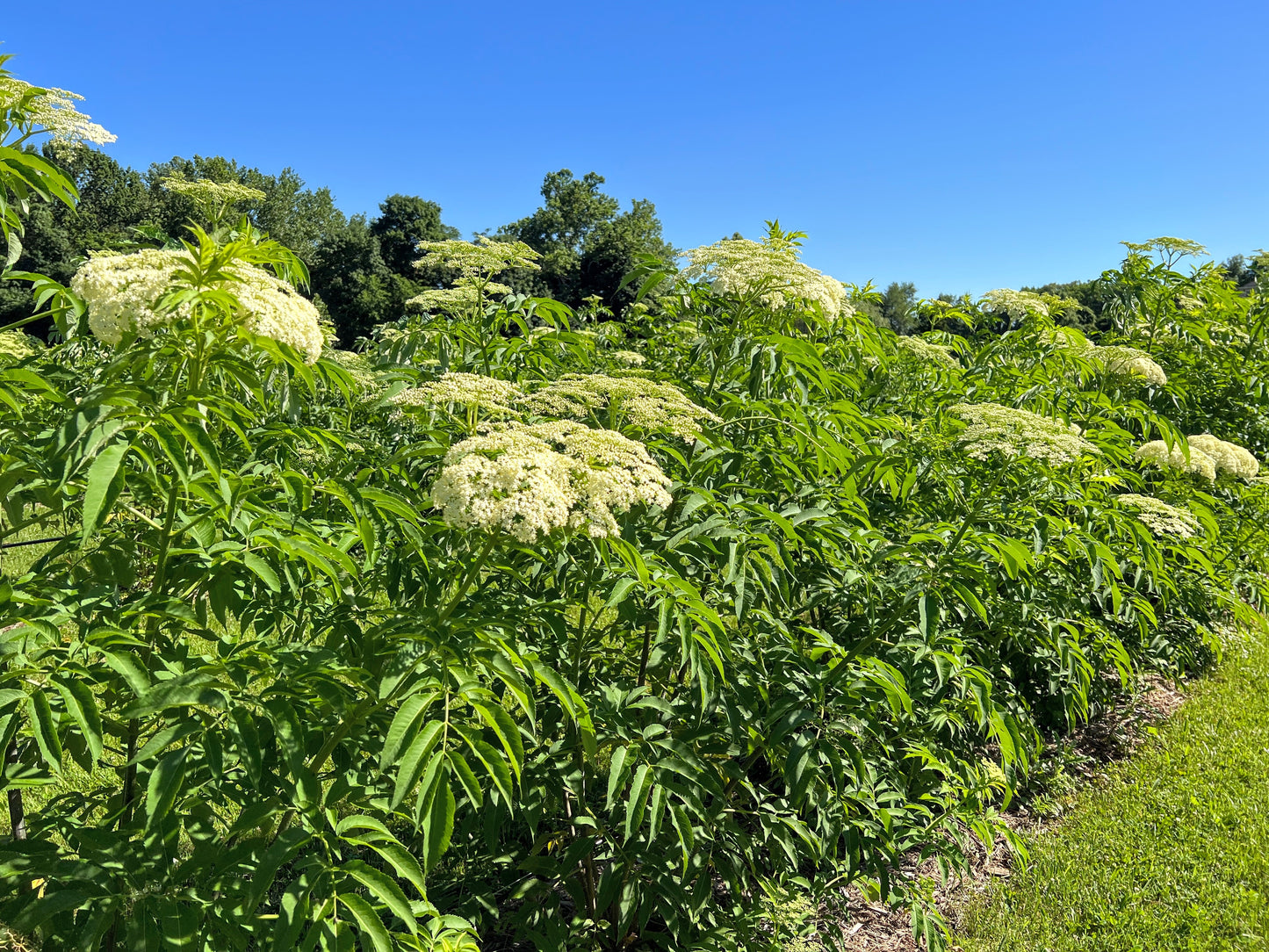
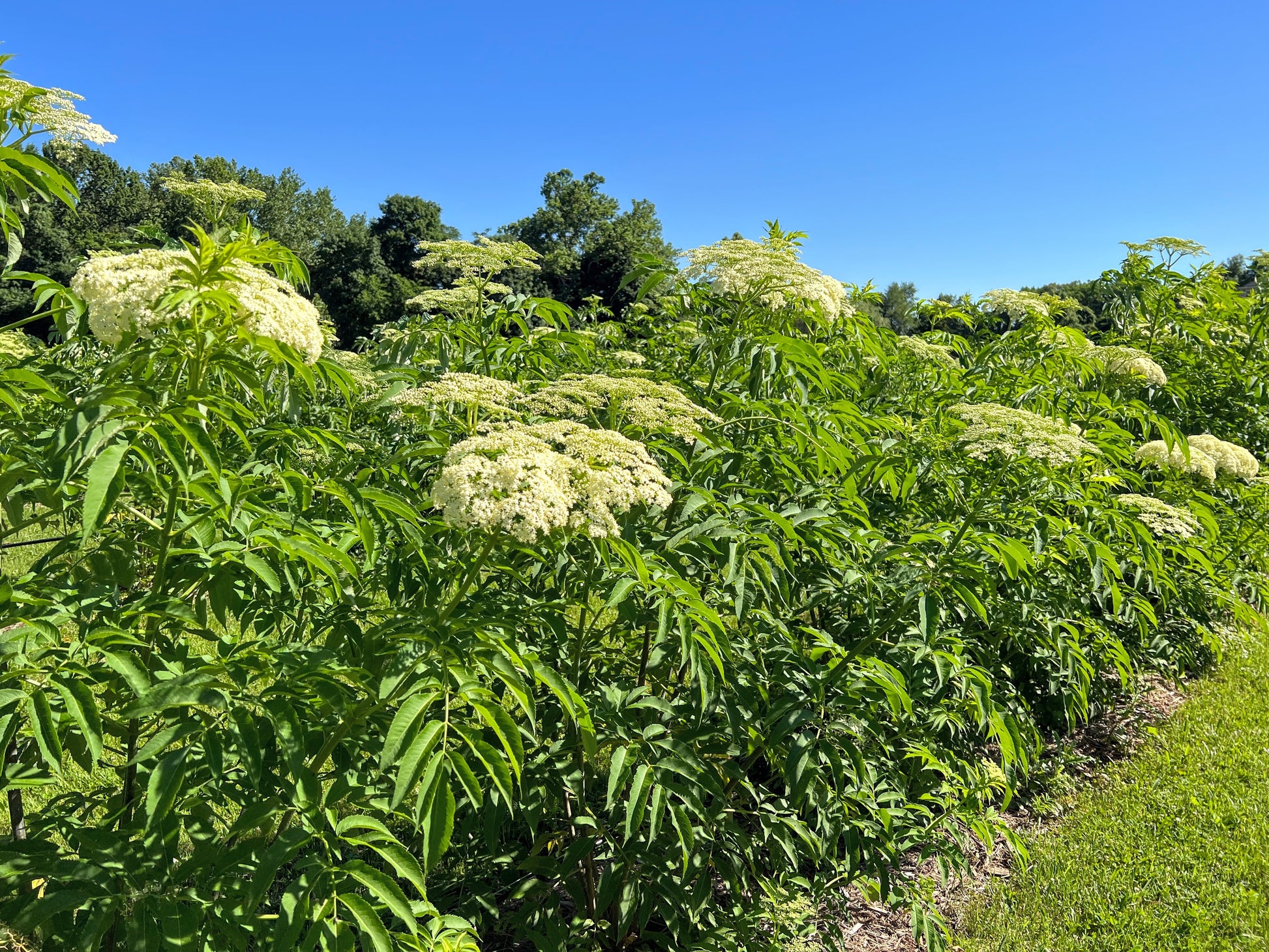
Bring the rugged and productive Wasatch Wild Elderberry (Sambucus nigra canadensis ‘Wasatch Wild’) to your landscape, a remarkable American elderberry variety originally discovered in 1969 by Larry Howell beside a remote creek in Utah’s Wasatch Range. Selected and nurtured over decades for extreme resilience, this self fertile variety has proven its ability to thrive in harsh climates ranging from Cache Valley’s negative thirty degree winters to scorching one hundred degree summers. Tested at The Farm on Central in our Zone 6 fields, Wasatch Wild has shown outstanding vigor, adaptability, and heavy yields of large, dark purple black berries perfect for culinary and medicinal use.
Why Choose Wasatch Wild Elderberry?
• Extreme Resilience: Bred and selected for cold tolerance, heat resistance, and performance in harsh growing conditions.
• Abundant Crops: Produces large clusters of quarter inch berries ideal for syrups, jams, wine, and wellness preparations.
• Versatile Growth: Thrives in a wide range of soils, from sandy loam to heavy clay.
• Pollinator Friendly: Creamy white spring blossoms attract bees and butterflies; ripe berries support wildlife.
• Self Fertile: Capable of fruiting on its own, though planting additional varieties can enhance yields.
• Hardy Across Zones 3 through 9: Well suited for both northern and warmer climates with reliable production.
• Legacy Variety: A Utah born cultivar with more than fifty years of proven resilience and vigor.
Medicinal and Nutritional Benefits
Wasatch Wild elderberries are rich in anthocyanins, antioxidants, vitamin C, vitamin A, and immune supportive flavonoids. Their deeply pigmented skins signal high levels of beneficial compounds associated with respiratory support, seasonal wellness, and overall vitality. Traditionally used in herbal preparations, elderberries from this variety are ideal for syrups, tinctures, teas, jellies, and homemade health remedies. The large berry size and dense clusters make Wasatch Wild especially appealing for those seeking potent, nutrient rich fruit for culinary or medicinal use.
Planting and Growing Instructions
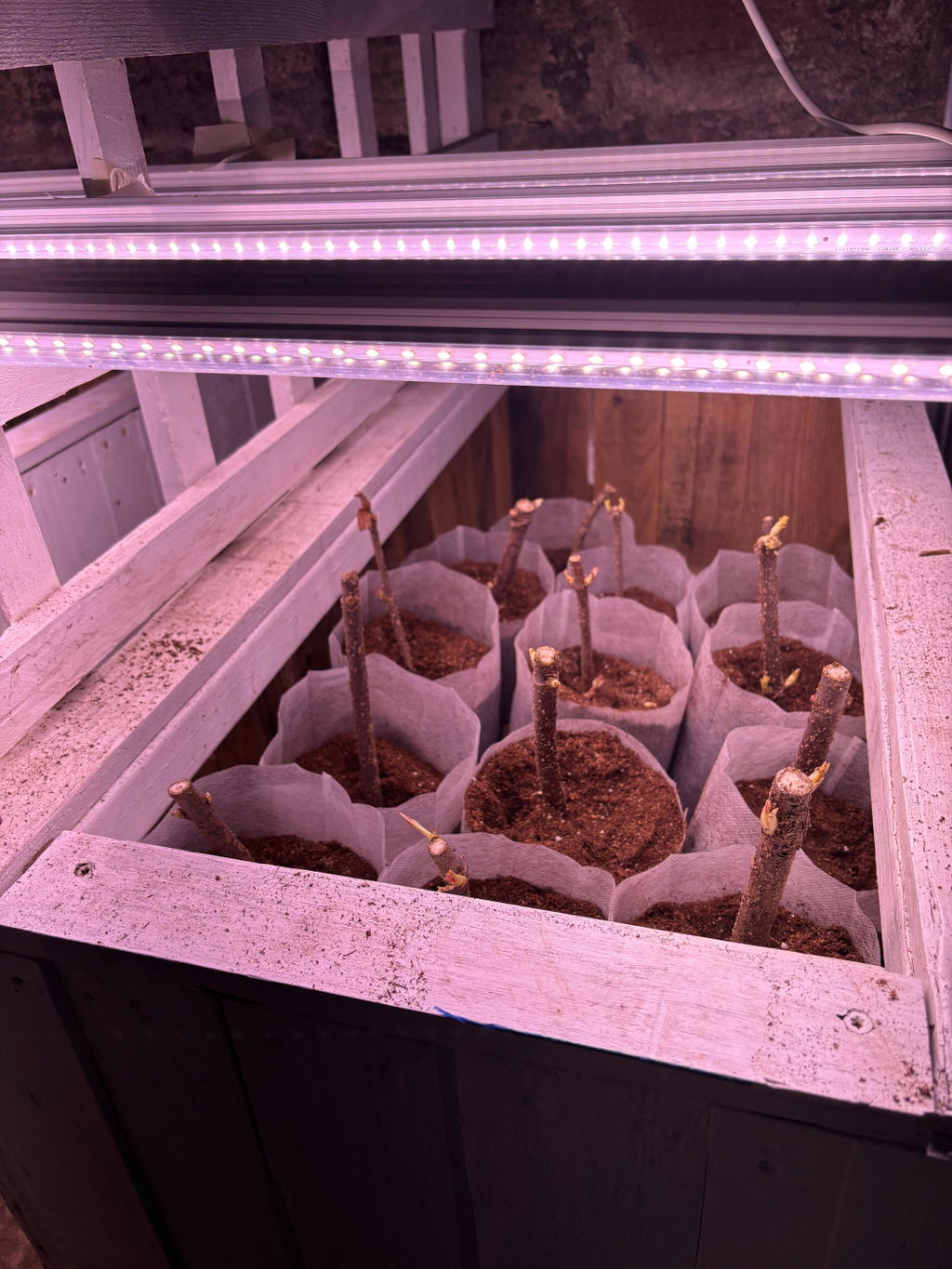
- Preparing the Cuttings: Place cuttings in water or moist soil immediately upon arrival. You may root them indoors or plant directly outdoors when conditions allow.
- Planting Time: Plant in early spring once the ground thaws or anytime through mid spring. For delayed planting, store cuttings in your refrigerator’s crisper at thirty four degrees or colder for up to sixty days.
- Location: Choose full sun to partial shade for best growth and production.
- Soil Preferences: Prefers moist, well draining soil with a pH of 6.0 to 7.0. Tolerates sandy loam, silty soils, and heavy clay.
- Spacing: Space plants 4 to 6 feet apart in rows spaced 18 to 20 feet apart to accommodate their mature size of 10 to 12 feet tall.
- Planting the Cuttings: Insert the slanted end into the soil, burying the bottom nodes one and one quarter to two inches deep. Water thoroughly after planting. No pre soaking or rooting compounds are necessary.
- Watering: Provide one to two inches of water per week, increasing during extreme heat. Focus on consistent soil moisture during the establishment period.
- First Spring: Cuttings may appear dormant or dead initially. Continue watering and watch for green shoots emerging at the base.
- Second Season: Continue watering and weeding. Plants may begin producing leaves and possibly flowers or small berry clusters by summer. Harvest only fully ripe berries.
- Third Season and Beyond: Expect substantial berry and flower harvests. Prune annually during winter dormancy for vigorous regrowth and optimal berry production.
Pro Tips for Success
• Wildlife and Beauty: Excellent for hedgerows, privacy screens, and supporting pollinators and birds.
• Short Season Strength: Performs exceptionally well in harsh winters and short growing seasons due to its Utah origins.
• Fertility Boost: After year three, optional compost or cover cropping can encourage larger berries and stronger yields.
All elderberry bundles include a minimum of three cuttings with two or more nodes each. Please see product photos for examples of bundle sizes.
Shipping Details: Sold as dormant cuttings in bundles, shipped fresh starting in February. STORE IN YOUR REFRIGERATOR UNTIL PLANTING.
Non-GMO Commitment: At Growing Farmers and The Farm on Central, all our plants are guaranteed non-gmo and not genetically modified in any way. We use only natural breeding methods to support sustainable gardening and farming.
Growing Method: Grown on our Coop farms using natural growing methods with no chemicals used.
Which Elderberry Should I Grow
Elderberry Growing Instruction Guide